



 Posts





Irén Lovász is not only one of the most respected Hungarian folk singers in the world. She is also an academic scholar in Human Sciences, she is a doctor (PhD) of Ethnography. She combines very well her scientific knowledge and her musical talent in her solo concerts, lectures and performances. Irén grew up in the middle of Hungary. In her family folk songs were sung on a daily basis and she learned her first folk songs from her parents and grandparents. As a university student of Linguistics and Literary Sciences she went on singing and began to collect and study ancient Hungarian folk songs in different regions of Hungary and the Carpathian Basin: Romania, Slovakia, Croatia among ethnic Hungarians.
From 1987 - 1995 she worked as an ethnomusicologist at the Hungarian Museum of Ethnography, Department of Ethnomusicology dealing with the famous collection of Béla Bartók, Zoltán Kodály and László Lajtha.
In 2003 she has got The SINGER OF THE YEAR eMeRton AWARD in Hungary.
In 2005 she set up a new band, and with them she made a new cd: Cloud Doors. The new music is based on archaic Hungarian folk songs, sacred songs and medieval Gregorian chants. The style is: ethno-jazz, worldmusic, crossover.
01 Motto
02 Polorum Regina
03 Angyali üdvözlet / Angelic Salutation
04 Én fölkelék / I arose (első versszak nélkül)
05 Ó, Szent István / Oh, Saint Stephen
06 Ave Maris Stella
07 Alle-alleluja / Alle-alleluyah
08 Mária, Mária / Mary, Mary
09 Menybe vitt leány / The Girl Taken up to Heaven
10 Fellegajtó / Cloud-doors
11 Altató / Lullaby (Én fölkelék, első versszakkal)
LOVÁSZ Irén (ének / voice)
LUKÁCS Miklós (cimbalom)
SZOKOLAY DONGÓ Balázs (duda, furulya, szaxofon / bagpipe, recorder, saxophone)
MIZSEI Zoltán (szintetizátor, ének / synthesizer, voice)
FARKAS Zoltán (gitár, basszusgitár / guitar, bass guitar)
GYULAI Csaba Gyulai (ütőhangszerek / percussion)
Link

Balogh Kálmán is one the foremost Hungarian players of the cimbalom, a type of hammer dulcimer played with mallets like a vibraphone. Gypsy jazz continues a fabled European musical tradition harking back to the collaboration of masters such as gypsy guitarist Django Reinhardt and violinist Stephane Grappelli, connecting the ancient folk music traditions to Central and Eastern Europe with the chord progressions and swing of jazz. Balogh's cimbalom becomes a new and compelling voice centering a band that also includes acoustic bass, acoustic guitar, trumpet and violins.
01. Gypsy Colours
02. Calusul Dance
03. Transylvania Suite
04. Hora (F# minor)
05. Klezmer Tunes
06. Hora de la Bim-Bim
07. Suite for Trumpet
08. A Csitári Hegyek Alatt
09. Macedon Tunes
10. The Lark
11. Bolgar Gypsy Horo
Link
pass: bluesmen-worldmusic.blogspot.com

The school in Subotica (the centre of Voevodina – Serbian territory inhabited mainly by Hungarians). In the past decade such gifted talents have completed their studies there as violinists Félix Lajkó and Szilárd Mezei, who, by creating their own musical language, set out into the wide world and found explicit success. founding members of this new hot band come from the music Genuine Subotica atmosphere; carefree elegance or rather, an elegant looseness. Sneaking the Balkans into Europe, or the opposite, sneaking Europe into the Balkans? While they are on fire and have the facility for improvisation, their music is closer to the Balkans rather than to some imagined European idyll that might inspire a striving for faultlessness and precision. And it will be fine like this as long as Csaba Pásztor writes tunes, as long as we sway our heads to the wonderful voice of Tijana and as long as after listening to a particular tune a hundred times we still do not get bored with it (such as Fresh Girl!) – because through this music we will love Paniks and also life itself!
1. Devojka
2. Friss lány (Fresh Girl)
3. Kandes Tsirkec
4. Jelena
5. Beguine
6. Clavire
7. Homage
8. Magla
Csaba Pásztor - solo violin, viola, percussion, reed, vocal
Todorovic Vladimir - guitar, percussion, vocal
Stankovic Tijana - voice, violin
Knezevic Nenad - accordion, vocal
Róbert Verebes - double bass
Tibor Takács (Faki) - big drum, percussion, vocal
Featuring:
Kurina Michael - cimbalom
Virovac Krunoslav - percussion
Róbert Ambrus - percussion, vocal
Link
pass: bluesmen-worldmusic.blogspot.com

"Authentic Hungarian folk music from Bogyiszló (West of Hungary) can be heard on this recording and you can hear how it was played by a gypsy band in the seventies. Also a new style of "csardas" from Györgyfalva is performed by musicians from Kalotaszeg and you can listen to an unusual work in which gipsy dance and American swing is mixed.
This is a short preview but I think music will tell you everything."
A magyarországi népzenei élet 10. éve elismert közreműködője a Csík zenekar. Népszerűségüket számos sikeres koncert, táncház és zenei kiadvány tette egyre népszerűbbé, nemcsak itthon, hanem külföldön is. A szakmai közönség elismerését az is bizonyítja, hogy 1991-ben elnyerték a Népművészet Ifjú Mestere címet. 1992-ben pedig a Kiváló Művészeti Együttes díját is megkapták. Sydneyben, a 2000. évi nyári olimpiai játékok kulturális rendezvényein képviselték Magyarországot, több más neves előadóművésszel együtt.
A zenekar vezetője Csík János a következőképp ajánlja az albumot: "Ezen a hanglemezen egyaránt hallható az autentikus magyar népzene a dunántúli Bogyiszlóról, ahogyan azt az ott muzsikáló cigányzenekar a 70-es években játszotta, megszólalnak új stílusú lakodalmi csárdások Györgyfalváról, amiket a legutóbbi években is muzsikálnak a kalotaszegi zenészek, és sok egyéb szép zene közt egy szokatlan feldolgozás is, ahol együtt szólal meg a magyarpalatkai lassú cigánytánc az amerikai swing zenével. Talán rövid ez az ismertető, de úgy hiszem, a zene szebben mond el mindent, mint én a szavakon bukdácsolva."
01. Hallgató, csárdás, ugrós és friss Bogyiszlóról
02. Szilágysági csárdás és cigánycsárdás
03. Bihari román táncmuzsika
04. "Két út van előttem..."
05. Ádámosi csárdás és friss
06. Öreges pontozó amúgy fiatalosan
07. "Én vagyok az aki nem jó"
08. Legényes
09. Lakodalmi csárdás és szapora Györgyfalváról
10. "A kor falára"
11. Altató
12. Keserédes nosztalgia
Musicians:
János Csík - violin, voice
Marianna Majorosi - voice
Dudás Mihály Dresch - flute, saxophon
Tamás Kunos - viola, kontra
Sánta Janos - double bass
Ifj. Zsolt Barcza - cimbalom, accordion
Attila Szabó - violin, first tambura, voice
Guests:
Kálmán Balogh - cimbalom
Gyula Bacsa - piano
Szabolcs Balogh - drum
Norbert Hevesi - double bass
Márta Horváth - vocals
László Lukács - dancer
Zoltán Nagy - guitar
Zoltán 'Pipi' Sipeki - solo guitar
János Szabó - tambura viola
Csaba Talabos - drum
Part I.
Part II.

Tuvan throat singing meets the electric guitar on the steppes and rocks!
"The voices are extraordinary, ranging from a melodic ox bellow called kargyraa to the "whistling" sygyt style that suggests a flying saucer revving its hyperdrive. But Aldyn Dashka improves on its predecessor, Dalai Beldiri, with songs as memorable as the throat singing within. When Albert Kuvezin croaks the tender nature tune "Chorumal Bodum" in a rock-bottom bass timbre that might make Bigfoot quake, he's handsomely framed by a two-stringed igil fiddle, throbbing electric guitar, and trotting bass. "Kozhamyk" contrasts Kuvezin's gravelly tones with Aldyn-ool Sevek's heroic operatic tenor that's as clear as a Siberian stream. Both are lifted by a vowel-packed chorus and wah-wah guitar figures that somehow fit right into a folkie song about the attributes of local womenfolk. Just a hint of dub piano complements the brew.
The third album from Yat-Kha finds them very much refining the process begun on their first two albums. The throat singing remains the central focus, but their way of framing it in a wondrous mix of modern and ancient instruments has become very subtle indeed, whether it's the reverse cymbals behind "Oy Adym" or the programming and textures of "Chedi Tei" and "Takh-Pakh Chaskhy Tan." As before, the guitar plays a very important part, played by bandleader Albert Kuvezin, giving a real jolt (along with Alexei Saaia's bass) to the acoustic lineup, and hurling it into another dimension, even though he doesn't use distortion or power chords.
01. Oy Adym (My Gray Horse)
02. Tozhu Kyzy (Tozhu Girl)
03. Chorumal Bodum (I am a Traveler)
04. Kozhamyk (Ditty)
05. Chedi Tei (Seven Hills)
06. Tyva Kyztar (Tuvan Girls)
07. Takh-Pakh Chaskhy Tan (Spring Breeze)
08. Bai-La Mongun (Rich Silver Mountain)
09. Oi Moroz (O Frost)
10. Sambazhyktyn-Yry (Song of Sambazhyk)
11. Khary Kyigy (The Call)
12. Aldyn Dashka (The Golden Cup)
Yat-Kha from Tuva:
Albert KUVEZIN – voice, guitar, yat-kha
Aldyn-ool SEVEK – voice, igil, morinhuur
Alexei SAAIA – morinhuur, bass, bvoice
Zhenya TKACHOV – kengyrgy, percussion, voice
Mikhail "Mahmoud" SKRIPALTSCHCHIKOV – bass
Sailyk OMMUN – yat-kha, voice
Radik TIULIUSH – vox, igil
Aias-ool DANZYRYN – voice, shanzi
Guests from London:
Martyn BARKER – snare-drum on "Kyigy"
Steve GOULDING – drum-kit on "Oy Adym"
Link
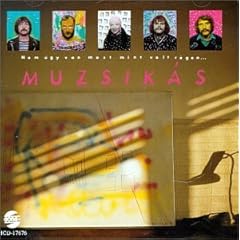
"Muzsikás - Within each genre that comes to North America as "world music," there is always one group of musicians designated as emissaries, virtually equated with that music for a time. In Hungarian folk circles, that group is Muzsikás".
01. Nem úgy van most, mint volt régen (It Is Not Like It Used to Be)
02. Adjon Isten minden jót (God Bless It All)
03. Tudod-e édesem (You Know Darling)
04. Mezöségi tánc (Folkdance)
05. Altató (Lullaby)
06. Félre gatya, pendely (I Want It All)
07. Vonat (Train - Bagpipe Improvisation)
08. Hulljatok levelek (Falling Leaves)
09. Legényes II (Lads Dance II)
10. Mikor mentem hazafelé (On the Way Home)
Musicians:
Márta Sebestyén - voice, recorder
Sándor Csoóri - guitar, hurdy-gurdy, viola, kobsa.
Éri Péter - double bass, buzuki, cello, viola, tambura, töröksip, folk shawm,
Dániel Hamar - double bass
Mihály Sipos - violin, zither.
Link
pass: bluesmen-worldmusic.blogspot.com

"Úzgin Űver was formed in 1991 in Kecskemet, Hungary. The name itself is the name of a Mongolian settlement, where an ancient sacred burial ground was discovered. It means something like ’dry desert area’, ’poor harvest’. The music is almost entirely instrumental, even the human voice is used as an instrument. Our aim from the beginning has been to create a unique blend of the folk music of different nations, using old and new instruments, sounds, tunes. Some characteristic instruments are: sax, clarinet, different kinds of flute, zurna, kaval, duduk, Jewish harp, bagpipes, violin, drums, percussions, electric guitar, sampler, HD-recorder and Tuva-style vocal."
01.I.
02.II.
03.III.
04.IV.
05.V.
06.VI.
07.VII.
08.III.
09.IX.
10.X.
11.XI.
12.XII.
13.XIII.
14.XIV.
15.XV.
16.XVI.
17.XVII.
18.XVIII.
19.XIX.
20.XX.
Farkas Marcsi - violin, vocals;
Homoki Péter- guitar, keyboards, sampler, percussions;
Majoros gyula - clarinet, flutes, kaval, zurna, gaida, duduk, vocals;
Szilágyi Áron - jew's harps;
Almási Krisztián - drums
Paizs Miklós - furulya, trumpet, doromb, bells, dorombének
Part I.
Part II.
pass: bluesmen-worldmusic.blogspot.com
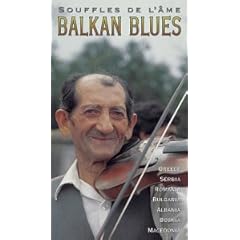
The resulting Balkan Blues anthology sheds a new and different light on the deeply rooted cultural traditions and views that have so often sparked political and religious conflict in this region, for this double CD clearly shows that the music of the Balkans knows no national or ethnic boundaries. Balkan Blues is a musical journey through seven different countries, tracing two aspects of the Balkan soul – on the one hand, ballads that tell of pain and hope, and on the other hand the magical exuberance of the virtuoso performances that accompany joyous celebrations.
From Romania, we hear the melancholy ballads of the great masters Toni Iordache and Dumitru Farcas on cimbalon and taragot, and the legendary fiddler Stoican. We hear the inimitable vocal polyphony of Bulgaria and Albania, as well as a Wallachian Suite by the Bulgarian All Star Orchestra and some incredible solos on ancient instruments such as the gadulka, the kaval and the gaida. Greece brings us the highly accoladed clarinetist Petro-Loukas Chalkias with his Kompania, traditional remebtiko songs with original instruments, maverick lyra player Psanrantonis, and the gently poetic songs of Loudovikos. Serbia’s favourite musicians present the wild side of totally unfettered celebration. From the Bosnian mountains, we hear a heart-rending ballad of love. Macedonia is represented by Esma Redzepova, queen of Roma song, and by the brass orchestral sound that is to be found only in the Balkans, as well as by legendary clarinetist Ferus Mustafov, who composed the title track specially for this anthology.
More than half the tracks in this collection have never been recorded before, or are recorded here on CD for the first time. The lucid text was written by Professor Dr Manfred Bartmann of the University of Salzburg, a recognised authority on Balkan music. As he writes, "The 34 tracks on this CD eloquently document that the musical styles of the Balkans were never really "national" styles. In this awareness lies a glimmer of hope."
Disc: 1
01. Livezile Lui Ion - Achim Mica
02. Sâmbra Oilor Din Maramures - Dumitru Farcas
03. Si Hora - Ion Petre Stoican
04. De la Hulbesti (Si Voce) - Vasile Pandelescu
05. Geamparallele Lui Haidim - Toni Iordache
06. Mikro Kopelidaki Mou - Psarantonis & Ensemble
07. Afou 'Heis Allon Sti Kardia - Ross Daly
08. Mana - Loudovikos Ton Anoyion
09. Tesko Oro - Ensemble Rakija
10. Chelipe (Kolo) - Aleksander Sisic
11. Aven Romalen, Aven Cavalen - Vladimir Kandic
12. Edinaesetorca - Kocani Orkestar
13. Balkan Blues, Pt. 2 - King Ferus Mustafov, Milan Safkov
14. Cherenije - Esma Redzepova
15. Asene, Sinko - Mladen Kojnarov
16. Bavna Melodija I Râcenica - Dimitar Petrov
17. Stujan Otgore Vârvese - Komna Stojanova
18. Thëllëzë Që Shkel Mbi Vesë - Ensemble Tirana
Disc: 2
01. I Agápi Traguidiéte Pánta - Loudovikos Ton Anoyion
02. Emai Orfanós Apó Paidhí - Ross Daly, Nick Tramba
03. Skaros - Petro-Loucas Chalkias & Kompania
04. Oilor - Luca Novac
05. Inel, Inel, De Aur - Dona Dimitru Siminica
06. Balada Haiduceasca - Toni Iordache
07. Cantec de Maja - Vasile Vasilescu
08. Hora Be la Constanta - Ion Petre Stoican
09. Usti, Usti, Babo, O Davulja Maren - Olivera Katarina I Orkestar "Romalen"
10. Oh Ljubav, Ljubav - Ensemble Rakija
11. Preserka [#] - Blehorkestar Bakija Bakic
12. Balkan Blues - King Ferus Mustafov, Milan Safkov
13. Wallachian Suite - Brazilian All-Star Orchestra
14. Radka E Fljala V Gradina - Sestri Georgievi
15. Vito Pëllumbesha - Ensemble Tirana
16. Besèna Rovèna - Rromano Dives
Part I.
Part II.
Part III.
Part IV.

This is something of a 'best of' compilation of Kati's work between the years 1986 and 1996, much of it taken from now deleted albums. As always accompanying Kati are some of the best musicians in Hungary. This release makes for a superb introduction to the wide variety of folk songs and styles that Kati has recorded.
"Kati Szvorak is another singer in the Marta Sebestyen class. But it is Kati’s voice that’s the best instrument here, whether singing sweetly on a tender ballad or using that hard Balkan edge….. Pretty wonderful stuff."
Kati Szvorak has long been a favorite amongst the Táncház audience in Hungary. She has won many awards for her singing and work for folk art in her native Hungary. She has given over two thousand concerts in 27 countries, and has been featured on many other projects including the internationally successful recording ‘Deep Forest’ (1995). In 1999 she appeared at the Edinburgh Festival with the Hungarian all-star group ‘Kőfaragók - The Stonemasons’ to great critical acclaim.
I. Tiszavirág = May - fly
1. Pünkösdi rózsa = Love songs from Moldavia
2. Tavaszvilág = Spring customs song from Moldavia
3. Erdőjárás = Children's game song from Trasylvania
4. Szentiván = Midsummer songs from Zobor region
II.Télizöld = Winter's green
5. Segélj el = Wedding songs from Zobor region
6. Az árgyílus kismadár = Candle dance from Csallóköz
III.Tavaszi szél = Spring wind
7. Román variáció = Rumanian version from Bihar
8. Kontyoló = Kontyoló from Mezőség (Transylvania)
9. Szépen szól egy harang = Sad song from Moldavia
10. Vízöntős = "Vízöntős variation" from Moldavia
IV.Fagyöngy = Mistletoe
11. Bagolyasszonyka = Ballad from Mezőség Transylvania
12. Jajj, Istenem = Love songs from Székely region (Transylvania)
13. Pakular = White sheperd ballad from Moldavia
14. Ahol én elmegyek = "Wherever I go" from Moldavia
15. Bujdosik az árva madár = Dance melody from Gymes (Transylvania)
V.Bűnösök vagyunk? = Are we guilty?
16. Víg juhászok = Christmas song from Palóc region
17. Gyönyörű szép leány = Maria song from Pest region
18. Siralmas ez világ = "This world is deplorable" from Moldavia
19. Óévbúcsúztató = Old year off song from Szatmár
Collaborated in the completion of the album:
Balogh Kálmán
BEKECS
CSÁMBORGÓ
Havasréti Pál
HEGEDŐS
Juhász Zoltán
Kiss Ferenc
Kozák József
Rostás Tibor
VíZÖNTŐ
Link

The Szilvasi Gipsy Folk Band released their first album in 2001. The album contains mainly very lively concert recordings which not only present their unique style and impart the concert atmosphere, but also evidence the bands continuous communication with the audience.
The special elements of the performances can be found in the successful melding of the Oláh Gipsy's performance folklore and gipsy music, which can be observed in both their style and repertoire. An example of this is that their folk songs are accompanied not only by guitar, but also by violin, clarinet and double bass, the first two of which often perform virtuoso solos, in stark contrast to the customs of restaurant gipsy music. A large part of their repertoire consists of Oláh and Hungarian gipsy folk songs alongside Hungarian csárdás tunes with gipsy lyrics. The latter is especially interesting since it represents a renaissance of the csárdás, enhanced and reworked while the international importance of so-called “classical” csárdás music has waned significantly.
1. Ha megfogom az ördögöt...
Ajaj Ricsi Ricsi...
Naj la rotya naj gad...
2. Rumeláj...
3. Drakhorengi jakha
Szőlő szemek
4. Sel mure bakre szasz kethane
Száz bárányom volt együtt...
5. A cigány telepre...
6. Aj Devlale szo te kerav...
Aj Istenem, mit csináljak...
7. Ki látott már télen fecskét...
8. Kígyóballada
9. Ma som shavo haj, lovari
10. A pásztói halastó...
11. Kanna és szájbőgő improvizáció
12. Sun to szi o Del
Szent az István
13. Kothe besjom...
Ott ültem
14. Phurdel balval
Duj duj deshaduj
Szilvási István - vocals, vocal effects, spoon
Bangó Attila - vocals, guitar, vocal effects
Bangó Tibor - vocals, guitar, vocal effects, tambura
Szekeres Attila - jug (water can), derbouka, vocal effects
Bangó László - vocals, jug (water can), vocal effects
Nagy János - vocals, guitar, vocal effects
Also performing:
Setét Jenő - vocals
Lukács Csaba - clarinet
Oláh Ernő - violin
Rinkó Gábor - contrabass
Link

What might the line-up of a band formed in the countryside of the 21st century Carpathian Basin look like? Electric guitar, bass (guitar), viola, accordion, cimbalom, drums, violin and vocals, just as in the case of Napra? Perhaps.. It might be helpful to try and imagine how a village prímás living at the end of the 19th century would have reacted if he had been introduced to the music of Jimi Hendrix, for example. Has that been of any assistance? In any case, this promises to be an interesing adventure...
01. De sötétlik... / How Darkness Spread...
02. Jaj, a világ! / Oh, What A World!
03. Bánat, bánat / Sorrow, Sorrow
04. Ugrós / Ugrós (Leaping Dance)
05. Tekerős / Hurdy-gurdy
06. Pici Ház / Little House
07. Sas Ferenc / Sas Ferenc (Eagle Frankie)
08. Tisza partján / By The Tisza
09. Kalotaszegi hajnali és szapora / From Kalotaszeg
10. Elment az én rózsám... / My Rose Has Departed...
11. Cickom csárdás / Cickom Csárdás
Miklós Both - guitar, vitar (violin-guitar), voice, special effects
Kinga Krámli - voice
Máté Hegedűs - violin
Zoltán Bobár "Boby" - accordion, piano, 3-stringed viola, double bass, synthesizer
Kálmán Balogh - cimbalom
Csaba Winter - bass
Ferenc Pfeiler - drums
Featruing:
Márton Éri - viola
András Németh - hurdy-gurdy
Link
pass: bluesmen-worldmusic.blogspot.com

.. The soul re-sounds, words sing, love’s doors is ringing”
"This record was born in Bartók’s honour, on the 125th anniversary of his birth. The Budapest Spring Festival asked me to create a piece of music to go on the same program with Bartók’s „Bluebeard’s Castle”. The idea was that Bartók’s sources for this opera – the most beautiful layers of Hungarian folk songs, ballads and instrumental folk music – should be performed by me and my colleagues. Specifically that we should make use of them in our own style, bringing them to life, re-creating our musical tradition. This is how „Lover’s doors” came about; through the balladic world of Bartók’s opera – another story is told in a cycle of seven movements. For help we summoned the dramatic density of folklore’s surreal and symbolic images along with the lively folk music and dance. Though we sing about mythical, poetically named women with fates similar to Judit’s, rather than leading to tragedy, love’s doors lead to hope. The passages neither separate nor conceal, they do not have doors locked with a key; they instead connect the many levels and paths of human feelings and emotions. Re-sounding, they propel our souls out of grief and sorrow into the light; out of misery towards recovery."
1. Tavaszkapu / Spring’s Gate
2. Balladavölgy / Valley of Ballads
3. Varázsmező / Enchanted Field
4. Selyemrét / Silk Meadow
5. Citruserdő / Citrus Forest
6. Fellegajtó / Heaven’s Door
7. Álomvíz / Dream Water
Bea Palya, Ági Szalóki, Kati Szvorák – voice
ETNOFON ZENEI TÁRSULÁS
Ferenc Kiss – violin, viola, voice
Zsigmond Lázár – violin
Mihály Huszár – double bass
Attila Korom – guitar
Dávid Küttel – synthesizer, accordion
Károly Babos – percussion
HEGEDŐS BAND
Csaba Ökrös – violin
Sándor D. Tóth – viola
Zsolt Kürtösi – double bass
Kálmán Balogh - cimbalom
Mihály Dresch „Dudás” – saxophone, wooden flute
Mátyás Bolya – koboz, zither
Pál Havasréti – hurdy-gurdy, hit gardon
Balázs Szokolay „Dongó” – saxophone, bagpipe, tárogató, kaval, wooden flutes, overtone singing
Link

Makám's music can be seen as a specialized branch of today's music with its own eclecticism. It is characterized by a synthesis of different organizational of forms, a special cohesion of influences of different kinds of musical inspiration and the result of studying contemporary music, archaic traditional music as well as the spontaneous improvisation of free music.
Makam was formed in 1984 with the purpose of establishing a peculiar form of community playing music, a special synthesis of harmonies, trying to show the common characteristics belonging together in music cultures of different peoples and contrasting musical forms.
01. Szindbád
02. Fonó
03. Mátyus
04. Kisteknőc
05. Malom
06. Panyiga
07. Este
08. Kis Mózes
09. Balaton
10. Tá tia tá
11. A néma halfiú
12. Vadgesztenye
13. Anzix
14. Zengővárkony
15. Vándor
16. Betlehem
17. Madárijesztő
18. Zöld csoda-fény (Weöres Sándor)
Musicians:
Zoltán Krulik - guitar, Indian harmonium, piano, voice
Irén Lovász - voice
Balázs Thurnay - kaval, tin whistle, Moldavian flute, marimba, earthen drum, voice
Eszter Krulik - violin, voice, whistle
Csaba Gyulai - Turkish violin, udu, drum, percussion
Zoltán Kovács - contrabass, cow bells
Composed by Zoltán Krulik
Link
pass: bluesmen-worldmusic.blogspot.com

The Budapest Klezmer Band comes from the heart of Europe, from the very geographic location where Klezmer music originates. The Band's performance is an exciting musical experience in traditional Jewish folklore.'
The band is led by composer, arranger Ferenc Jávori, who was raised on Klezmer music in Munkács (Munkacevo, nowadays part of Ukraine). He learnt his trade from some of the last surviving musicians there, where music was an integral part of Jewish life. The BKB play Klezmer music that is seeped in traditional Jewish life and folklore.
Other members of the band are also exceptional musicians, being graduates of the Franz Liszt Academy of Music of Budapest.
01. Le chajem Rebbe
02. Klezmer Five
03. Solom alejxem
04. Tshiribim
05. Sha sha di Schwigern Kumt
06. Dem Rebin
07. Yiddishe Tango
08. Terkish Dance
09. Fraytik oyf der nakht
10. Di Sapozhkelekh
11. Chohmec
12. A Lidele is Idis
Musicians:
Ferenc Jávori - leader, piano, voice
István Kohán - clarinet
Katica Illenyi - violin, voice
Anna Nagy - accordion
Gábor Tamás - trombone
Gábor Kiss - double bass
Balázs Végh - drums, percussion
Link
pass: bluesmen-worldmusic.blogspot.com

Ghymes Ensemble was formed in 1984 at Nitra University of Pedagogy in Slovakia. Initially they played Hungarian folk music but are now extending their repertoire to include music originating in other parts of Eastern and Southern Europe.
They have their own unique style which is continually developing. In addition to the traditional instruments played (violin, viola, dulcimer, bagpipes, contrabass, lute, kalabash zither, Turkish pipe), they also incorporate the saxophone, drums and synthesizer.
They say their objective in the music is to find a commonality between different people, races and religions of the world, and this is why they explore and develop the folk music of different countries. As their band member Andor Buják stated 'If the musicians open up their hearts on the stage, the audience can feel it. That's real magic for us.
"Mainly ... we play "Ghymes music" because unfortunately no other group plays this kind of music... It is true that from Tűzugráz we have used more electrical instruments and more drums, but this began already on the previous album, Üzenet [Message]. We will not change drastically, but every time we release a CD we feel we must add something and make it different from earlier albums. I hope we will be able to add something to every album. If not, we will stop playing."
The music is original, it is nostalgic and captures a feeling of ancient roots and a certain rebellious, revolutionary, heroic spirit. The connection with the past, the sense of belonging to the tribe is over-powering ...it is visceral music. Most of it sounds as if it dates back to the medieval and renaissance era. A few tracks sound as they can be traced to the very ancient past, when the Hungarian tribes camped out, after traveling several hundred miles. It seems as if they are recalling their journey of several thousands of miles -- as the pentatonic scaled Hungarian music is played, there are echoes that vibrate way back to Central Asia. The music is haunting and poignant. The lyrics are poetic and starkly beautiful in their simplicity. Much of it, covers the feelings of how the common people may have felt about life, love, hope. There are references to the king, youth, hopes, dreams, and even how human life resembles that of monkeys ... These highly talented musicians express themselves in poetic artistic terms. They expand their musical horizons back to the past with ease and produce astonishing results. Any person of Hungarian ancestry will be captivated by the music. It is even more impressive if one understands the Hungarian lyrics. The themes within the songs and the sound of the traditional musical instruments leave a powerful impact on the listener ...
Track #1: I get the feeling that the ordinary people, the peasants are paying homage to their king, when in their hearts, they just want to live and be free. There is a veiled reference to the king not caring for his dogs, who are bone-bare and have blood-shot eyes. The youth are shouting near the castle, which is left unprotected, without a moat. Essentially, the king is left "naked", he is being threatened, which I interpret as he could be deposed, if living conditions do not improve. The king declares war oblivious to the effect it has on the people. Another evocative song starts out with a chant as if one were hearing a Catholic mass, it sets the feeling and tone for the rest of the piece, which is soul searching and original. One of the most impressive tracks is
#4 "Koldusok" ("Beggars") in which an elderly man, possibly the father, is admonishing his son to not steal, there is a dialogue between the young man and his father that is touching, and heart-wrenching. It reveals the dire circumstances of the beggars who want to live like others, have children, but worry about where their next meal is coming from, in fact the father tells the son, don't spend money on masses for my soul, after I die, buy food, buy sausages instead. The father asks the youth does he not fear he will go to hell. The youth replies, I just want to live ...
Other tracks have strong Balkan rhythms and melodies, possibly with a Turkish influence, played on Hungarian instruments. This whole CD is amazing -- the musicians use bagpipes, saxophone, drums, cimbalom, plus a few other traditional instruments to create moods of nostalgia that remain with the listener, long after the music has stopped playing. This CD receives my highest recommendations.
01. Királyének
02. Kötve vannak szárnyaim
03. Militaris congratulation
04. Koldusok
05. Ifjú szívekben élek
06. Tuzugrás
07. Szerelmes dal
08. Majomország
09. Pozsonyi blues
10. Új esztendõ
Andor Buják - viola, flutes, clarinet, saxophone, bass, voice
Krisztián Buják - bagpipe, clarinet, flute, voice
Gyula Szarka -voice, bass, guitar
Tamás Szarka -voice, violin, guitar, drum, koboz
Guests:
László Hobó Földes - voice
László Béhr - cimbalom, voice
Péter Farnbauer - keyboards
Bernadett Kiss - voice
Link
pass: bluesmen-worldmusic.blogspot.com

Magnificent 4 CD set, chronicling the modern history of Hungarian folk, gypsy and jazz music. Broad in its scope and lavish in its presentation this set has been put together by Ferenc Kiss a leading figure in modern Hungarian music.
Taking its starting point as the Dance House movement of the 1970s disc 1 compiles significant artists from that era. It is only fitting that the first track is by the Sebő Ensemble, a group that did so much to bring this music to the world. Research by members of this group in particular Ferenc Sebő and Bela Halmos into the traditional folk music of Hungary continues to this day.
Disc 2 features many of the more progressive ensembles whose still work, while base on traditional music, is distinctly their own and something that is considered organic; growing and adapting to their own unique style.
Disc 3 explores the sometimes 'lost or forgotten' traditions of Hungarian folk and gypsy music. Again each ensemble has taken for their inspiration the diverse folk music from the scattered Hungarian communities spread across Eastern Europe such as Csangos and Jews.
Jazz and improvisational music characterises disc 4. In the past decade Hungary has produced some outstanding jazz musicians. This compilation show-cases the best of these ensembles, many of the them being accomplished musicians in the world of folk as well as jazz.
Vetettem gyöngyöt - I Sowed Pearls (I.)
----------------------------------------------------
TÁNCHÁZBA MENET / INTO THE DANCE HOUSE...
01. Sebő együttes: Széki táncok (trad.)
02. Muzsikás: Hidegen fújnak a szelek (trad.)
03. Méta: Ugye babám, meg tudsz verni / Zörög az akácfalevél (trad.)
04. Gereben: Szalonna (trad.)
05. Téka: Porzik a hegyi borozda (trad. feld.: Vizeli Balázs)
06. Ökrös: Cigány csingerálások (trad.)
07. Egyszólam: Egyik ajtóról a másra (trad.)
08. Ghymes: Seregek közt (Szarka Tamás – Tinódi Lantos Sebestyén)
09. Kalamajka: A szilágysámsoni Rákóczi-nóta és frisse (trad. feld.:
Nagymarosy András, Halmos Béla, Dövényi Péter)
10. Jánosi együttes: Bihari János táncai (trad. feld.: Jánosi András)
11. Kárpátia: Vásár (trad.)
12. Zurgó: "Szeretőm e táncba..." (trad.)
13. Hortobágyi László - Lovász Irén: Páva (trad. feld.: Hortobágyi László)
14. Lajkó Félix: 7. szám (trad. feld.: Lajkó Félix)
15. Morotva: Újévköszöntő (trad. feld.: Rőmer Ottó)
16. Kaláka: Tengerecki Pál (Gryllus Dániel – Tamkó Sirató Károly)
17. Sebő együttes: Harmatocska (Sebő Ferenc – József Attila)
18. Palya Bea: Katitzához keserűségemben
(trad. feld.: Gryllus Samu – Weöres Sándor)
19. Csík együttes: De szeretnék (Kispál András - Lovasi András)
Part I.
Part II.
pass: bluesmen-worldmusic.blogspot.com
Vetettem gyöngyöt - I Sowed Pearls (II.)
-----------------------------------------------------
"KOLINDA-ISKOLA" / THE "KOLINDA SCHOOL"
01. Kolinda: Kantáta (Lantos Iván – Vas János)
02. Gépfolklór: Kórus (trad. feld.: Szabó András – Nagy László)
03. Unikum: Mon coeur saigne (Fáj a szívem)
(trad., feld: Balázs János, Róbert György)
04. Makám & Kolinda: Számum
(Dabasi Péter – Olszasz Szulejman, ford.: Rab Zsuzsa)
05. Vízöntő: Intés a hajdani és a leendő szeretőkhöz (Kiss Ferenc)
06. Barbaro: Kerek a szőlő (trad. feld.: Barbaro)
07. Vízöntő: Azt hittem (Kiss Ferenc)
08. Vasmalom: Gergelem (trad. feld.: Szokolay Dongó Balázs, Vasmalom)
09. Lantos banda: Két szép csillag (Lantos Iván)
10. Kiss Ferenc: Kés és kereszt tangó (trad. feld.: Kiss Ferenc)
11. Kolinda: Körtánc (Dabasi Péter)
12. Makám – Lovász Irén: Hajdan rég (Krulik Zoltán)
13. Kiss Ferenc: Pünkösdi rózsa (trad. feld.: Kiss Ferenc)
14. Ektar: I. Canzone Araba (Szőke Szabolcs)
15. Cserepes Károly: Menedékünk tele van koalákkal
(Cserepes Károly – Tandori Dezső)
Part I.
Part II.
pass: bluesmen-worldmusic.blogspot.com
Vetettem gyöngyöt - I Sowed Pearls (III.)
----------------------------------------------------
AZ ÉRTŐL AZ ÓCEÁNIG... / FROM RIVULET TO OCEAN...
01. Zsarátnok: Rekoh ti cone kazah (trad. feld.: Nikola Parov)
02. Vujicsics: Rastanak (trad. feld.: Vujicsics)
03. Söndörgő: Sa (trad. feld.: Söndörgő)
04. Muzsikás: Chasid lakodalmas táncok
(trad. feld.: Éri Péter, Hamar Dániel, Sipos Mihály, Csoóri Sándor)
05. Di Naye Kapelye: Ani Maamini (trad. feld.: Di Naye Kapelye)
06. Odessa Klezmer Band: Kárpáti menyasszony (trad. feld.: Kiss Ferenc)
07. Técsői banda: Vendégbúcsú (trad.)
08. Kalyi Jag: Sukar szasz amari bóri (trad. feld.: Kalyi Jag)
09. Ando Drom: Csi Lav Tu (trad. feld.: Zsigó Jenő)
10. Balogh Kálmán & The Gipsy Cimbalom Band: Gipsy Colours
(trad. feld.: Balogh Kálmán & The Gipsy Cimbalom Band)
11. Romano Drom: Pujári szomász (ifj. Kovács Antal)
12. Folkestra: Portugál (Monori András – Egressy Zoltán)
13. Tin Tin Quintet: Ötösfogat (Monori András)
14. Gáyan Uttejak Orchestra: Ajam-hayrani (Hortobágyi László)
15. Besh o droM: Amikor én még kissrác voltam
(Szörényi Levente – Bródy János, feld.: Besh o droM)
Part I.
Part II.
pass: bluesmen-worldmusic.blogspot.com
Vetettem gyöngyöt - I Sowed Pearls (IV.)
------------------------------------------------------
FRISSEN GYÖNGYÖZŐ... / FRESH AND SPARKLING...
01. Syrius: Koncert háromhúros hegedűre és öt korsó sörre
(Pataki László – Orszáczky Miklós)
02. Rákfogó együttes: Szomorú vasárnap (Seress Rezső, feld.: Ráduly Mihály)
03. Gabor Szabo: Thirteen (trad. feld.: Szabó Gábor)
04. Szabados György és a MAKUZ: A szarvassá vált fiak (4. tétel) (Szabados György)
05. Grencsó Kollektíva: Mezítlábas (Grencsó István)
06. Dresch Dudás Mihály Quartet: Friss (Dresch Dudás Mihály)
07. Binder Károly: Pünkösdi rózsa (trad. feld.: Binder Károly)
08. Kovács Ferenc: Legényes (Kovács Ferenc)
09. Tűzkő Csaba Septet: Tavaszköszöntő (Tűzkő Csaba)
10. Borbély Mihály Quartet: Bear Dance (Borbély Mihály)
11. Dél-Alföldi Szaxofonegyüttes: Búcsúzás (Szokolay Dongó Balázs)
12. Akosh S. (szóló): Ég (Szelevényi Ákos)
Part I.
Part II.
pass: bluesmen-worldmusic.blogspot.com

"Világfa (World Tree) is a mythological image that exists in the Hungarian culture and in other cultures as well. The branches, trunk and roots tie together the various dimensions of space and time in the real world and in virtual reality. And this is what this recording, "Világfa" (World Tree) aims at. This collection strives to represent the colourful and many-layered ancient Hungarian folk-songs through the use of ancient carols and musical parallels from other related cultures, starting with the various references to the magical stag from ancient Hungarian mythology, and making a sweeping arc from East to West with examples of different Hungarian folk-songs to show the similarities and unique qualities of the Hungarian folk-songs of each region. Parallel to this, however, the possibility emerges for a kind of musical synthesis not normally achieved in the traditional lifestyle, several examples of which can be heard on the recording. This is a musical journey in virtual time and space; playing with the notion of what cultural possibilities there might have been if Hungarian forefathers had headed eastward or southward from their ancient Western Siberian homeland instead of going to the West. The music on this recording also shows how the richness and universality of original Hungarian folk music lends itself to integration with old and contemporary musical languages of other cultures, as is the practice within today's world music and the future electronic world."
01. Megjöttünk, Megjöttünk...- Conquest
02. Regélők, Míg Élők - Till I Live, I'll Chant Tales
03. A Vöröslő Nap Felkeltekor - Chuvas Sunrise
04. Márton Szép - Ilona Fair Ilona Márton
05. Szivárvány Havasán - On A Rainbow's Snow-Mount
06. Bizánci "Porka Havak" - Bizantine Parallel
07. Porondos Víz Martján - On The Watex's Stony Bank
08. Magamnak Marasztom - Little Lass
09. Páva - Hey, Peacock
10. A Pünkösdi Rózsa - Tuberoses
11. Udvarom Közepén - Two Fair Lovers
12. Jaj, De Szépen Virjadozik - The Dawn Is Cracking
13. Szállj Le Kicsi Madár - Alight, Little Birdie
14. Jól Gondold Meg Rózsám - Mull It Over, Sweetheart
15. Ahol Én Elmegyek - The Trees Start Crying
16. Rabnóta - In Chains
17. Virágok Vetélkedése - With Thee, My Flower
18. Hidegen Fúj A Szél - Cold Winds
19. Hej, Révész, Révész - Ferryman
20. Esteledik, Alkonyodik - Sun's Setting
21. Aratóénekek - Harvest
22. Két Tápéi Dal - Tisza River
23. Elment Az Én Rózsám - My Rosebud Departed
24. Két "Dudás" - The Two Bagpipers
25. Zörög A Cidrus - Cypress Shakes
26. Imhol Kerekedik - Yellow-Foot Raven
27. Szánom-Bánom - Wide Is The Danube
28. Estéli Imádság - Colors Of The Earth
Link

Karikás Ensemble was founded in 1978. The choice of name Karikas refers to an everyday implement used by the shepherds living in Hortobagy. In choosing the name the members of the ensemble want to make it clear that they come from Debrecen the capital of Hortobagy. Their object is twofold: not only do they intend to reproduce traditional music, but they also seek to transform authentic pieces by means of the multitude of musical instruments and their knowledge of music. They search for new sounds, rhythms and contrasts always emphasising the importance and substance of melodies. They have won widespread professional acknowledgement thanks to the release of this album.
In addition to being rich in ideas they magnificently fit in with the 'sound world' of folk music. The performers play each instrument with style and at a high standard. They have managed to protect and preserve the character and spirit of folk music. Throughout of their existence of nearly twenty years they have given a good number of greatly successful performances in concerts and festivals both in Hungary and abroad (Finland, Poland, Austria and Russia).
01.Átokdal
02.Kövecses víz
03.Hová mész
04.Ez a világ
05.Ludasim, pajtásim
06.Kapum előtt
07.Búélesztő szellő
08.Nem szánt vet
09.Csendes
10.Hideg szél
11.Sokfelé
12.Vendégküldő
Musicians:
Anikó Dénes - voice, gardon
Erika Juhász - voice
Csaba Hegedűs - citera, violin
Ottó Rőmer - violin, tamboura
Tamás Erményi - bőgő
István Erményi - clarinet, flute, töröksíp
Link

1 The Gypsy Music Is Played Again / Újra szól a Gypsy Zene
- (Kalyi Jag, Jamsasen)
2 I'm Sleepy Like A Kitten / Álmos vagyok mint a cica
- (Romanyi Rota)
3 Good World / Jó világ / Ashi luma
- (Künstler Ágnes, Kalyi Jag)
4 Oh My God, What Shall I Do? - Ballad / Aj Istenem mit csináljak? - Ballada
-(Balogh József)
5 There's No Shame / Nincs szégyen... / Naj Lazhavo
- (Ternipe együttes)
6 Don't Let Me Die, My God / Ne hagyj, Isten, meghalni! / Na muk devia
- (Balogh János)
7 Once When My Mother / Amikor egyszer Anyám... / Kind adátă mámá...
- (Kanizsa Csillagai)
8 Come With Me, Woman / Gyere vélem, asszony / Autar manca romnej
- (Bodi Varga Gusztáv)
9 Oh My God, Who Is There? / Jaj Istenem, ki az ott?
- (Balogh József, Kalyi Jag)
10 This River Is Wide / Széles ez a folyó / Bulho pályi
- (Kovács Antal, [Gojmal])
11 Grass, Great Grass / Fű, nagy fű / Járbă, máré járbă
- (Kanizsa Csillagai)
12 My Dear Wife / Drága feleségem / Muri semo gadzhi
- (Balogh Mária, Ternipe Együttes)
13 Sunday Morning / Vasárnap reggel
- (Bódi Varga Gusztáv, Fekete szemek)
14 The Water Is Flowing Under the Bridge / Megyen a víz a híd alatt
- (Romanyi Rotá)
15 Friday evening / Péntek este / Parashture ratyi
- (Romano Drom)
16 I have a pipe / Van már pipám
- (Varga Gusztáv, Kalyi Jag)
17 The Gypsies Are Coming / Jönnek a cigányok / Avile le roma
- (Varga Gusztáv, Kalyi Jag)
KALYI JAG
Balogh Künstler Ágnes - ének / voice
Balogh József - ének, gitár, mandolin / voice, guitar, mandolin
Nagy József - kanna, ritmus, szájbőgő / water can, rhythm, oral bass
Farkas Zsolt - ritmus, szájbőgő, csörgő / rhythmus, oral bass, rattle
Varga Gusztáv - ének, gitár, ritmusok / voice, guitar, rhythms
ROMANYI ROTA
Balogh Ferenc - ének, gitár / voice, guitar; Varga Ildikó - ének / voice
Nagy István - ének, tambura, mandolin, gitár, buzuki / voice, tambura, mandolin, guitar, buzuki
Farkas Ilona - ének / voice
Balogh István (Pacala) - szájbőgő, vokál, derbuka, kanna / oral bass, vocal, derbuka, water can
NAGYECSEDI FEKETE SZEMEK
Bódi Varga Gusztáv - ének, gitár / voice, guitar
Bódi Varga Gusztávné - ének / voice
Ifj. B. Varga Gusztáv - brács-gitár, ének / guitar, voice
Varga Csaba - vokál / vocal
Balogh István (Pacala) - szájbőgő, vokál / oral bass, vocal
Közreműködtek / With: Ifj. Botos Tibor és Botos Zsolt - gitár / guitars
TERNIPE EGYÜTTES
Balogh Mária, Balogh Tünde - ének, vokál / voice, vocal
Lakatos Béla - ének, szájbőgő, kanna / voice, oral bass, water can
Lakatos Zsolt - ének, gitár / voice, guitar; Farkas István - ének, mandolin, gitár / voice, mandolin, guitar
Közreműködik / With Ifjú Vitányi Iván - bőgő / double-bass
ROMANO DROM EGYÜTTES
Lakatos János - kanna, szájbőgő, kanál / water can, oral bass, spoons
Id. Kovács Antal - ének, szájbőgő, kanál, kanna / voice, oral bass, spons, water can
Ifjú Rostás Mihály - ének, ritmus, gitár
Ifjú Kovács Antal - ének, gitár, ritmus, kanal / voice, rhythm, spoon
Balogh János - szóló / solo
Közreműködik / With Kalyi Jag Együttes
KANIZSA CSILLAGAI
Horváth Zoltán - ének, gitár, mandolin / voice, guitar, mandolin
Horváth Zoltánné - ének / voice
Orsós Vendel - ének, gitár, bőgő / voice, guitar, double-bass
Link
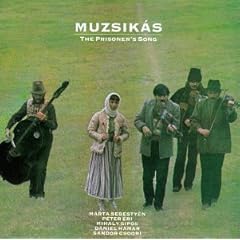
More great Muzsikás recording featuring Márta Sebestyén. A classic album originally released in 1986 and still sounding remarkable fresh and sweet.
"... Hungary's finest active folk troupe... inexhaustible themes handled by superb musicians."
"Hungary's leading folk ensemble..."
"The ebullient music must have been a shock to anyone who thinks that Hungarian music is gypsy violins... ... this raucously beautiful music..."
01. Rabnóta - Prisoner's Song
02. Eddig vendég - The Unwelcome Guest
03. Azt gondoltam, eső esik - I Thought it was Raining
04. Hidegen fújnak A szelek - Cold Winds are Blowing
05. Bujdosódal - Outlaw's Song
06. Repülj madár, repülj - Fly Bird, Fly
07. Régen volt, soká lesz - It was Long Ago
08. Szerelem, szerelem - Love, Love
09. Én csak azt csodálom - I Am Only Wondering
10. Elment a madárka - The Bird Has Flown
Musicians:
Márta Sebestyén - voice, recorder
Sándor Csoóri - bagpipe, viola, hit gardon, koboz, voice
Péter Éri - double bass, buzuki, cello, viola, tambura, zither, Turjkish pipe, voice
Dániel Hamar - double bass
Mihály Sipos - violin
Guests:
Antal Rácz - zither
Levente Szörényi - drums, bass guitar, voice
Szabolcs Szörényi - Bass guitar
Zoltán Zsuráfszki - dance
Link

The goal of the Vodku v glotku band is to play songs from and around Odessa and Central and Eastern Europe to everybody's liking, including the public with the highest demand. This music is a mix of various genres in addition to the dominance of Jewish motives and traditional Russian vocal polyphony, it features the elements of swing, dixieland, Balkan and Hungarian folk music, and it is meant to be authentic on both pub and folk stages.
01. A 7:40-es vonat
02. Jósolj nekem, cigánylány
03. Régi jiddis tánc
04. Börtönnóta
05. Madam
06. Hóra
07. Megismerem a kedvesemet
08. Vodocska
09. Balkáni szvit
10. Meggyfa
11. A meggy megérett
12. Oseh shalom
13. Warshaver (Tatooiner) freilach
14. Ah, Odessza!
Link

The fourth release by Hungarian-Serbian group Earth Wheel Sky Band, titled Gypsy Tango, finds the band a step further on their music ladder. The band’s first two releases saw the band working both with contemporary and traditional arrangements, while keeping the integrity of music from the region they come from whereas the third one “ 21st Century”, was a collection
of side works and collaborative projects that band leader Oláh Vince undertook with the band or without.
Gypsy Tango finds the band merging gypsy music both from the north of Serbia, which is more under the influence of Hungarian folk music and brass instruments and uneven rhythms from the south. EWS-band draws with ease from a myriad of other forms such as flamenco, reggae, soul and each song draws you to its heart, and keeps you there. This is not the first time that the
band does amalgamation of different traditions as on the previous records it was done with brilliant results on tracks such as “Chochec” (from Rroma Art) and Only a Man (from Waltz Rromano). The band’s playing is the first thing that will strike you as you start to listen to it. The EWS-band plays this music with exuberance and each musician plays with a buoyant, infectious energy. Especially arrangement wise it flows easily and is well balanced. The music ranges from soulful ballads such as the achingly beautiful “Gospel” or the dreamy “Free7/8” to folkish up tempo tracks such as “Crayngtime” and “Scheherezeda”.
The album opens with gypsy Tango and is soon followed by Rumba Janika, an upbeat track with a killer violin, swinging trumpet and wonderful rhythms. Other highlights include “ApsolutRromantic” and “Tikno Luludi”.
"The approach the band took on this record could perhaps be characterized as ethnic jazz but with roots and fronds of the tradition that make them irresistible. This is indispensable stuff from giants of gypsy music, and highly recommended."
Earth - Wheel - Sky is one of the first projects of the Roma musicians in Vojvodina. The band was founded in 1981. Having in mind the experience of jazz, rock and Roma folk music, the leader of the group Vince Olah wanted to give his contribution to the music of the Roma people, as one of the strong points in the fight for Roma emancipation.
01. Gipsy Tango
02. Rumba Janika
03. AmorromA
04. Scheherezeda
05. Gospel
06. Ushti Rroma
07. Free7/8
08. ApsolutRromantic
09. Crayngtime
10. Argenta
11. Tikno Luludi
12. Ending/Sonayta for b sempre
Musicians:
Vince Oláh – vocal, guitar, violin, guitar-sint
Tol Djula – violin
Ervim Malina – bass
Sándor Rothele – cimbalom
Toplica Ramiz – percussion
Radul Milovan – trumphet
Acifivic Sinan – clarinet, sax
Special guest:
Gabriella Farkas – vocal
Tibor Burai - piano
Link
A Hawk And A Hacksaw
and The Hun Hangár Ensemble:
A Hawk And A Hacksaw
and The Hun Hangár Ensemble
4
Comments

The CD includes the first recordings by A Hawk And A Hacksaw and The Hun Hangár Ensemble, a group of extraordinarily talented Hungarian folk musicians, brought together with the help of influential Budapest music centre Fonó Budai Zeneház. The songs, both traditional (Hungarian, Romanian, Serbian and klezmer) and A Hawk And A Hacksaw originals, were chosen by A Hawk And A Hacksaw’s Jeremy Barnes to highlight the individual skills of each of the six musician.
The songs were carefully chosen to showcase the individual prowess of each of the six musicians, in ensemble pieces (such as ‘Ihabibi’), duos (‘Király siratás’, featuring violin and cymbalom) and solo pieces (the virtuoso cymbalom of ‘Vajdaszentivány’. Perhaps most impressive of all is ‘Zozobra’, which features only Balázs (cymbalom) and Jeremy (everything else), and sounds like it ought to be sound-tracking Buster Keaton.
1. Király siratás (Trost)
2. Zozobra (Barnes)
3. Serbian Cocek (traditional, with additional melodies by Barnes/Trost)
4. Romanian Hora and Bulgar (traditional) live, somewhere in Europe, 2006
5. Ihabibi (traditional, with additional melodies by Barnes/Trost)
6. Vajdaszentivány (traditional Hungarian melodies)
7. Oriental Hora (traditional)
8. Dudanóták (traditional Hungarian bagpipe melodies)
Musicians:
Jeremy Barnes - various instruments
Heather Trost - various instruments
with
The Hun Hangár Ensemble
Béla Ágoston - Hungarian bagpipes, clarinet, alto saxophone
Ferenc Kovács - trumpet, violin
Zsolt Kürtösi - upright bass
Balázs Unger - cymbalom
Link

Armenian-born accordionist David Yengibarjan studied classical and folk music in Yerevan. But the recordings of Duke Ellington, Louis Armstrong, Oscar Peterson and Paco de Lucia fascinated him, and 1995, at the age of nineteen, he moved to Budapest to study jazz. There he discovered Astor Piazzolla's music, which inspired his as nothing before had. To become an artist, Yengibarjan says, "takes one percent talent, ninety-nine percent hard work. I hold myself to that. Art is like a woman whom you must court until the end of your life. If I let one day pass without practicing, music will elude me." For the past decade, Yengibarjan has performed widely through Europe, has been tapped for several screen appearances, and has penned a number of film and theatre scores.
On the CD the Trio Yengibarjan plays nine pieces: five of David Yengibarjan's own compositions, three Astor Piazzolla pieces, and an Armenian folk song arrengement. The listener may not be able to tell which is which, but that is as it should be.
01. Catango
02. Fracanapa
03. Round dance
04. Tango Passion
05. Via Tango
06. Virginie
07. Veri Veri (Armenian folk song)
08. Tristango
09. Libertango
Tracks 2,8,9 composed by Astor Piazzolla
Tracks 1,3,4,5,6 composed by David Yengibarjan
David Yengibarjan - accordion
Gábor Juhász - acoustic guitar
József Barcza Horváth - double bass
Part I.
Part II.

"One of the most individual, definitive and exemplary representatives of the Hungarian jazz world. As Garbarek with the Eastern European, and Coltrane with the African music traditions, thus Dresch has taken elements of the authentic traditional music of Transylvania into jazz.
His music doesn't work with, it lives on the traditional culture, and consciously speaks for the heritage hidden there. The folk posture which is built into his music gives him a foundation, which offers a secure basis from which he takes flight in jazz and improvisation. His recordings which are primarily instrumental in character, do not simply paraphrase traditional melodies, but the texts can also be heard. His music is enveloping, personal and intimate; strength and faith radiate from it. His work is known the world over. On an international level, he is placed amongst the finest musicians.
His musical career began in the seventies. He was the founder and for years a definitve member of the Binder Quintet. His now totally matured, individual taste, can be distinguished upon hearing the first note. From early on, his distinguished playing style and fantastic inprovisational technique, won the attention of the professionals as well as the audience. Later he formed his own quartet, in which all the major figures in Hungarian free and improvisational jazz have done a turn (István Baló, Róbert Benkő, István Grencsó, Félix Lajkó and many others). He is a permanent member of György Szabados' the leading Hungarian leader of free music, band; of the MAKUZ Ensemble; as well as of the well known Csík (folk music) Ensemble. He regularly takes part in countless international festivals, concerts and jam sessions."
"I believe that we can like both the purest jazz and traditional folk music."
1. Kelj fel juhász
2. Profána
3. Fény-árnyék
4. Folyondár / Áradás / Áttetszõ víz / Sodrásban
5. Hazafelé
6. Lábnyomok
Musicians:
Mihály Dresch - Saxophone tenor and soprano, flute, voice
Ferenc Kovács - violon, trumpet
Mátyás Szandai - bass
István Baló - drums
Part I.
Part II.

The Hungarian compilation you all asked for Transylvanian, Hungarian, Slovakian, Ukrainian, Russian, Moldavian and Bulgarian folk, Serbian brass, traditional and modern gypsy tunes, world music with jazz and contemporary touch, klezmer and some pieces I can’t describe. Among well-known names like Besh o droM or Boban Markovic you will hear some new exciting bands on this compilation, perfect for introducing the world oriented music of the Carpatian basin and the Balkans.
01. Balogh Kálmán & the Gipsy Cimbalom Band: Lisa, Lisa
02. Potta Géza: Bolyongok a város közepén / Wandering In The Middle Of The Town
03. Muzsikás és Sebestyén Márta: Édes Gergelem / My Sweet Gregory
04. Palya Beáta: Ketten a hegyen / Echo On The Mountain
05. Csalóka: Igyunk egy kis pálinkát / Let's Drink A Drop Of Pálinka
06. Laka "Kicsi" Aladár és Fodor Sándor " Neti": Magyar rend / Hungarian Cycle
07. Various Artists: Botoló / Stick Dance
08. Tükrös: Dunántúli cimbalommuzsika / West Transdanubian Cimbalom Music
09. Paniks: Magla
10. Boban Markovic Orkestra: Bistra Reka
11. Besh o droM. Ujjcsocsek
12. Szalóki Ági: Kimegyek egy hegyre / I'll Walk Out To A Hill
13. Zurgó: Györgyi Ilonával / At The End Of The Garden
14. Odessa Klezmer Band: Kárpáti vőlegény / Fiancé From The Carpathians
15. Vodku v Glotku: Hóra
16. Makám: Keselyű / Vulture
17. Samsara Quartet: Reggae Ceylon
18. Djabe: Fátyol mögött / Behind The Veil
19. Mitsoura: Lei toi
20. Carbonfools: Drom
21. Magony: Elindultam szép hazámból
/ I Havae Departed From My Beautiful Country
Part I.
Part II.
Magyar Tekerőzenekar: Kertünk alatt
Hungarian Hurdy-Gurdy Folk Ensemble: Behind Our Garden
3
Comments

The Magyar Tekerőzenekar (Hungarian Hurdy-Gurdy Folk Ensemble) is a traditional Hungarian folk group bringing together prominent hurdy-gurdy players and accompanied by singers and wind instruments. The group was founded in Budapest in 1989 and was awarded the title of "Young Masters of folk art" in 1992.'
On this recording, the Hungarian Hurdy-Gurdy Orchestra plays music from the southern plain of Hungary, religious folk music, as well as popular European hurdy-gurdy tunes. So many good hurdy-gurdy players on one record and they are joined by one of the most popular folk singers in Hungary today - András Berecz.
01. Kertünk alatt - Fábiánsebestyén, Szentes
02. Csongorádi gulyáslegény - Csongrád megye
03. Kék ibolya - Csongrád megye
04. Ó én édes kismadár - XVII. sz.
05. Disznótoros köszöntő - Bokros
06. Dél-Alföldi oláhosok
07. Betyárgyerek az erdőben - Bokros
08. Mikor kend és Pista bátyám - Moldva
09. Ah, Mon Beau Chateau - francia tekerőmuzsika
10. Kánai menyegző - Tápé
11. Csárdás és Friss - Tiszaújfalu
12. Tyukodi-nóta és Mars - Kalocsa
13. Hej halászok - Szentes
14. Csínom Palkó - XVII. sz.
15. Boldogasszony anyánk - Egyházi népének, régi magyar himnusz
Musicians:
Z. Ágoston 'Aggie' Bartha - hurdy-gurdy
Károly Bálint - hurdy-gurdy, voice
Mihály Borbély - sax, clarinet, turkish pipe
Pál Havasréti - hurdy-gurdy, drum, voice, gardon
Erika Juhász - voice
Erika Karácsonyné Molnár - hurdy-gurdy, voice
Péter Lipták - soprano sax
Balázs Nagy - hurdy-gurdy, voice, drum
Katalin Mesterházy - hurdy-gurdy
Krisztián Romháti - hurdy-gurdy
Béla Szerényi - hurdy-gurdy
Beatrix Tárnoki - voice
Zsolt Vaskó - sax, hungarian bagpipe
Károly Horváth - hurdy gurdy
Guests:
András Berecz - voice
Júlia Redo - voice
Balázs Vizeli - violin
Part I.
Part II.

Besh o droM founded in 1999 by Hungarian brothers-in-law Gergely Barcza and Ádám Pettik, the band has evolved from a trio to the mad cat big band it is now. Their music is inspired by Balkan, Hungarian and Romanian Gypsy tunes and Middle Eastern traditional music. They interpret this music in their unique style, mixing various musical genres and backgrounds. Most of the tunes they play are traditional but they take the liberty to use any tunes they really like and enjoy. From their home base in Budapest, they have travelled the road to international success at the same speed of light that characterizes the songs on their last two albums GYÍ and Once I Catch The Devil. They are one of the favourites of the major world music and jazz festivals in Europe.
"An urban wedding band, Besh o droM’s sound is ethnic tradition with the best of club culture, the unique sound of the cimbalom, a fantastic Balkan brass section with locked-down funk grooves. A 1000mph musical mayhem, a real audience pleaser with very strong musicianship. On this album featuring the world famous Gypsy singer Mitsou and Ági Szalóki who’s name sounds more and more familiar.
A splendid flight of wildness and joyus exuberance that rarely pauses for breath”
01. Dedoi
02. Ha megfogom az ördögöt
03. Bivaly
04. Ayelet chen
05. Gyere ki te gyöngyvirág
06. Rumelaj
07. Bonchidai
08. Egy ádáz csocsek
09. Amikor én még kissác voltam
10. Kamionos kút
11. Geampara
12. Cimbalmos
Gergő Barcza - alto saxophone, kaval, vocal
Ádám Pettik - derbuka, water can, percussion, lead vocal
József Csurkulya - cimbalom, vocal
Attila Sidoo - guitar, vocal
Tamás Zsoldos - bass guitar
László Békési - tenor saxophone, clarinet, vocal
Péter Tóth - trumpet, vocal
Csaba Talabos - tapan drum
Guests:
Laci Molnár - double bass
Mónika Miczura Juhász - voice
Ági Szalóki - voice
All tracks are composed by Besh o droM using folk songs and traditional melodies,except for track 9.
The origins of the traditional melodies are as follows:
01. Serbian and Moldavian
02. Romanian and Hungarian folk song from Moldavia
03. Gypsy folk song
04. Macedonian and Jewish folk song from Yemen
05. Folk song from Moldavia
06. Bulgarian Gypsy folk song
07. Hungarian folk song from Transylvania, Klezmer, Romanian
08. Macedonian
10. Gypsy folk song, Greek
11. Romanian
12. Romanian
Link

After a succesful concert series the band recorded their second album Folklore beats you up in december 2005. The title reflects the multifaceted and energetic nature of this new album. The album, which was recorded in Hungary, mixes the original authentic gipsy music with popular latin or balkan music style, sometimes using riffs reminiscent of the Gipsy Kings. This is a youthful, spirited music spiced up with elements of balkan music such as was made popular by the film "Black Cat-White Cat".
The band pays special attention to the quality of their music, of which this CD is an excellent example. Each recording contains 8-10 live recorded tracks of music perfromed exclusively with accoustic instruments, all of which have a fresh and modern sound (in some cases with suprising rap inserts).
With their second album, the Szilvasi Gipsy Folk Band continues to enrich their style. As the title indicates, their music is lively and rousing, and from a folklore point of view party music. As well as singing in both Gipsy and Hungarian languages, the songs are also accompanied by clarinet, tambourine, guitar, violin, cello and jug, the sounds of which remind us of the traditional Gipsy bands.The highlights of the album are the entrancing slow songs (tracks No. 6 & 11) and the Spanish style influenced song (track No. 13) - in the rap segment of which, the performers speak of their goals in breaking down the walls between people. The ingenious song intros, improvisations and interplay between the musicians as well as the musical variations often woven in counterpoint to the voice elements, taken together with appearances of both international pop music and classical elements make this recording especially entertaining and a satisfying experience.
The Szilvási Gipsy Folk Band presents a value that you can't just leave without comment, since the folklore present in the tracks of this album really will "beat you up"!
01. Fáj a kutyámnak a lába
02. Duj duj deshuduj
03. Zsavtar mamo
04. Taj o Perez barvalo
05. Jaj de robog a vonat
06. Kezdnek már a gyepek
07. Kothe besjom
08. Muro shavo
09. Spiritusz
10. Cigánybíró
11. Fekete hajú galambom
12. Négy cigány pergető
13. Zsav po lungo drom
14. Ahaj Devla
15. Tamburica
16. Kana ando foro gelem
Szilvási István - vocals, vocal effects, spoon
Bangó Tibor (Perez) - guitar, vocals, vocal effects
Suha István - contrabass
Lakatos János (Guszti) - jug (water can), vocal effects
Oláh László –cymbals
Also performing:
Balogh Tibor - derbouka,
Lukács Csaba - clarinet
Bede Péter - saxophone,
Soós András, Soós Csaba – violin,
Dangerous kids - Rap
Link

Folk music from various regions of Hungary.
Új élõ népzene is a new series of folk music recordings from Hungary, and follows in the tradition of the Táncház revival of the 1970s. The ensembles and soloists are all associated with the Folk Workshop Hungary. This is traditional music played on traditional instruments by singers and musicians wishing to keep alive their heritage. The performers are from various communities, mainly Hungarian, living both in Hungary and in such diverse places as Slovakia and California! One thing is common to all, and that is they have joined together to keep alive the rich melodies, songs and dances, from Transylvania, Slovakia, Yugoslavia and surrounding areas.
This music is called village music - Living Village Music.
01. Fondor zenekar: Szilágysági dallamok
02. Csige Ildikó (ének): Azért mondom nektek (Újszentmargita, Hajdú-Bihar)
03. Lenvirág együttes: Az én ökröm a Csengő, a Virág
04. Flaman-Hézső citeraduó: Szentmihályi katonanóták (Vajdaság-Bánát)
05. Rutafa énekegyüttes: Somogyi népdalok
06. Juhász Kitti (citera): Dunántúli dalok
07. Szűcs Szilárd (duda): Zsíros Péter dudanótái (Egyházasgerge)
08. Török Tilla (hegedű), Vidovenyecz Mihály (ütőgardon): Keserves és táncdallamok Gyimesből
09. Hubán Ágnes (ének): Szeress, szeress, csak nézd meg kit (Udvarhelyszék)
10. Sófalvy zenekar: Felcsíki táncmuzsika (Csíkszentdomokos)
11. Juhász Réka (ének, gardon), Juhász Dénes (furulya), Hetényi Milán (ének): Azt gondoltam amíg élek (Felcsík)
12. Bakó Katalin (ének): Erdélyország az én hazám, nem Német (édesapámnak)
13. "Kis Csipás" és a Valkó zenekar: Kalotaszegi tánczene
14. Dóra Áron (furulya): Két visai ballada Papp András dalaiból
15. Guessous Majda Mária (ének): Nincsen rózsa, mert lehullott a földre (Magyarszovát)
16. Unger Balázs (cimbalom), Balogh Roland (kontra), Mihálydeák Barna (bőgő): Gernyeszegi korcsos és forduló (Putzi Péter dallamaiból)
17. János Hajnalka (ének): Maros partján elaludtam (Magyarlapád)
18. Kincső zenekar és a Csevergő énekegyüttes: Asszonymulatság (Szimő)
Link
