


 Posts
Posts





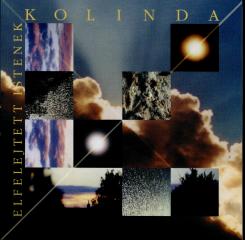
Kolinda were formed in 1975, the name finds its roots in the Christmas and New Year’s songs about the Betlehem playing. Kolinda represents the folk music of Eastern Europa with amazing richness. Their music contains a mix of classical and jazz influences. Nowadays Kolinda play Real World music with a stunning balance between instrumental, vocal, acoustic and keyboard sounds. In the new Millennium, Kolinda celebrate their 25th Anniversary with their tenth album “
"They're one of the most interesting European groups that I've heard," says Gary Cristall, organizer of the Vancouver Folkfestival, "but they do it in a different way. Even though they were doing traditional stuff, it had a different edge to it. They've never been looked on very favorably in Hungary. They were always a little too far outside."
Kolinda's reputation for being outside comes from the way they mix elements of Hungarian and Balkan folksongs with a large amount of jazz, a bit of classical, and even a few notes of rock. Their music manages to melt the passion and urgency of gypsy music with the cerebral with of cool jazz, an exciting combination that makes them one of the most successful hybrids of folk and contemporary music around today.
Kolinda first formed in 1975, and in the next four years they released three albums on the French Hexagone label. But in 1978 the group disbanded and the members went on to other projects.
In 1984, the group got together for a reunion tour. They've been playing together ever since, and have recorded four albums. But even with their diverse sources of inspiration , Kolinda never sounds contrived.
While other "ethnofusion" bands often seem like a patchwork of styles and cultures - contemporary instrumentation precariously and arbitrarily tacked on to ethnic folk music - Kolinda always sounds inevitable. They weave all their various influences together so seamlessly that it somehow seems as if it could be no other way. Their sounds is a solid, unified whole that blends fervor and freshness without a hint of artifice.
01. Napforduló
02. Korai leltár
03. Körtánc
04. Nem számít
05. Elfelejtett Istenek
06. Nekünk a legszebbik estét
07. Rohanás 9-ben
08. Ébresztő
09. Hull a levél
10. Újhold
11. Pengetünk
Part.I.
Part.II.

Ancient Hungarian folk songs with contemporary accompaniment - the unique sound of Makám. Makám was formed in 1984 with the purpose of establishing a peculiar form of community playing music, a special synthesis of harmonies, trying to show the common characteristics belonging together in music cultures of different peoples and contrasting musical forms.
This is a sort of chamber music containing the elements of ancient Hungarian folk music, classical and contemporary music as well as jazz and rock. It's melody and rhythm are influenced by the East European, Balkan, African and Oriental music.
We are convinced that the ancient Hungarian Folk Music is in deep relation with Eastern Traditions. So we arrived at the cultures which are, geographically, far from Hungary.
01.Gyöngyvirág
02.Akármerről fújjon
03.Kerek a szőlő
04.Elindultam
05.Édesanyám
06.Fúdd el jó szél
07.Kiszáradt a tóból
08.Tilinkós
09.Estéli imádság
10.Vadászat
Musicians:
Lovász Irén - voice
Bognár Szilvia - voice
Grencsó István - sax, "tilinkó", harp
Thurnay Balázs - kaval, udu, flutes, vocals
Bencze László - double bass, piano
Krulik Eszter - violin
Mizsei Zoltán - sansa, chimes, vocals
Gyulai Csaba - udu, debourka, viola
Krulik Zoltán - guitar, piano, Roland W30
Lengyelfi Miklós - bass
Szőke Szabolcs - gadulka
All the music is composed by Zoltán Krulik, based on traditional Hungarian folk songs
Link

"... András Monori shatters the safe but boring musical standards, creating a fresh and strong, playful and humorous new world that also contains an element of intimacy. The instrumentation, which puts Balkan and Hungarian folk music on a Latin base and spices it up with jazz improvisation, reflects Monori's impressive talent, while leaving room for the perfect instrumental skill and creativity of the virtuoso musicians he has hand-picked to work with him. The group's new repertoire is written for two voices, male and female, making the catchy melodies richer and more nuance. It's not surprising that young and old, rebel and conservative, lovers and the unhappy, all identify with this music."
01. Portugál (filmzene)
02. Dilmano
03. Ajdirinda
04. Szeretlek, szeretlek
05. Fehér
06. 4 Török
07. Mamikám
08. Mindegyre
09. Szeretőm e táncba
10. Török bicikli
11. 3 Török
12. Adjon Isten
13. Portugál kalap (filmzene)
Bea Palya - voice
András Monori - kaval, trumpet, gadulka, flute, tambura, kalimba
Béla Ágoston - saxophone, clarinet, flute, bagpipe
Péter Nagy – double bass
Szabolcs Árkosi - accordion, saz
Tamás Kovács – konga, percussion
Gábor Pusztai - percussion, drum
Link
pass: bluesmen-worldmusic.blogspot.com

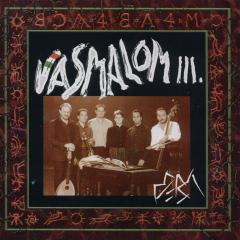
"Hungarian ensemble Vasmalom formed in the early 80’s, but their debut album didn’t come out until 1989. That first album has just been reissued on Periferic, along with the group’s second and third disks. Although differences exist in lineup, instrumentation, and arrangement among the three CDs, the similarities outweigh the relatively minor differences and these three albums can be thought of as all going together.
The music here can accurately be characterized as ‘Hungarian folk’, but only seven of the twenty-nine tracks on these CDs are based on traditional melodies. Rather, the majority are original compositions written in the style of different types of folksong. This includes frenzied peasant dances (such as “Thi-Dli-Dli-Dli Dli-Dli-Dli-Dliii” and “Ludasim, Pajtásim!”), mournful love songs and laments (à la “Gyere Velem Katonának…” and “Testvér…”), and religious chants (e.g. “Add Fel Isten Azt a Napot…”). Vasmalom also draws upon the musical traditions of Hungary’s Gypsies and other ethnic minorities in tunes like “Bolgár Cigány Horo” and “A Cimbalos Moldávai”. With so many different types of folk traditions being used, there is ample variety for the listener’s ear and things never get too repetitive. Moreover, the band regularly mixes up its instrumental palette, so that even songs of the same type never sound too similar. On one track, fiddles and cimbalom (Hungarian mandolin) may be the lead instruments, while the next may feature the gorgeous voice of singer Éva Molnár backed only by duda (Hungarian bagpipes) or tapan (an exotic sounding Czech flute). There are even a few tunes on which non-folk instruments are featured, such as the soprano sax lines in “Viharsarokk” and the harmonica solo in “Keresztutak”. Although Vasmalom is primarily a folk band, they do not adhere rigidly to traditional forms or stylings. A jazzy groove often colors the double-bass playing of both László Nemessányi (1st album) and Tibor Csuhaj-Barna (2nd and 3rd albums). The flautists (three different ones on the three albums) play with an aggressive, breathy tone reminiscent of Ian Anderson. Similar observations could be made, really, about all of the musicians here— they play their instruments precisely and skillfully, but with a raw energy more typical of rock than of folk. The arrangements, furthermore, leave more room for individual improvisation than is typical in folk music— especially the all-instrumental dance tunes, which often serve as occasions for soloing. Still, with the exception of the experimental eight-minute “Porondos Víz.…” (from the third album), there’s no mistaking that this is folk music— and not folk-rock,prog-folk, or the like. Perhaps the best comparison might be to Hungary’s own Kolinda, although it wouldn’t be too far off the mark to say that Vasmalom does the same sorts of things for Magyar music that Northside bands like Väsen and Groupa do for Swedish folk. Personally, my favorite of the three is the first, but that’s just a matter of taste. If you have any interest at all in Hungarian folk— you really can’t go wrong with any of these. Very highly recommended."
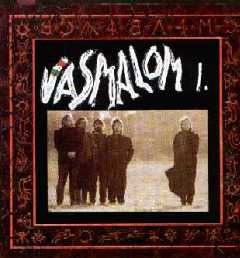
01. Adj Istenem adj erőt a lovamnak (God Give Strength To My Horse)
02. Hej Tok lányok (Hey Girls)
03. Rab vagyok (Prisoner's Song)
04. Kecsketánc (Goats Dance)
05. Búbánat, Búbánat (Sorrow) Együd Árpád Emlékére
06. Tiii-Dli-Dli-Dli Dli-Dli-Dli-Dliii
07. Gyere velem katonának (Come With Me To Be A Soldier)
08. Hol jártál barjánkám? (Where Have You Been My Little Lamb)
09. Jár a kislány (Goes The Girl)
10.Ludasim, pajtásim (My Companions)
ANDRÁS DÓCZY - violin & vocal,
ÉVA MOLNÁR - lead vocal & kontra,
GÁBOR REŐTHY -mandocello, moldavian flute (bass), darbuka, jews harp, tapan, Roland S 50, vocal,
LÁSZLÓ NEMESSÁNYI - double bass & vocal, FERENC TOBAK - bagpipe, flute, long flute, moldavian flute.
Part I.
Part II.
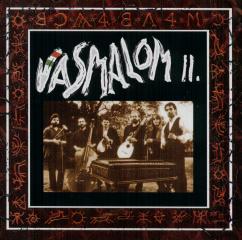
1. Dudanóta (Bagpipe Song)
2. Gergelem (Gergel Dance)
3. Szerelem (Love)
4. Kerekes /Péter Kertje/ (Ring Dance /Peter's Garden/
5. Járd ki lábam (Come On Feet, Dance)
6. Testvér (Brother) Együd Árpád Emlékére
7. Napra Csillag (Stars Follow The Sun)
8. Add fel Isten azt a napot (God Makes The Sun Rise)
9. Keresztutak - Négy Tétel (Crossroads - Four Movements)
KÁLMÁN BALOGH - cimbalom & viola,
TIBOR CSUHAJ-BARNA - double bass & vocals,
ANDRÁS DÓCZY - violin, lute & vocals,
ÉVA MOLNÁR - lead vocals, viola, pecussion bass viola,
GÁBOR REŐTHY - mandocello, tapan, darbuka & vocals,
BALÁZS SZOKOLAY - bagpipe, flutes, soprano sax, tilinkó, mouth harp, mongolian style singing.
Part I.
Part II.
1. Dudanóta II. (Bagpipe Song II.)
2. Veres az ég (The Sun Sets Red)
3. Erdélyes (In Transilvanian Style) Traditional Transilvanian Song
4. Párját vesztett (Lonely Bird)
5. Gergelytánc (Gregory's Dance)
6. Porondos víz (On The Bank Of A Sandy River)
7. A cimbalmos moldvai (The One From Moldva With Cimbalom)
8. Szerelem II. (Love II.)
9. Viharsarokk (Viharsarock)
SZOKOLAY DONGÓ BALÁZS - bagpipes, flute, fujara, soprano sax, mongolian style singing,
BALOGH KÁLMÁN - cimbalom,
NYIRI LÁSZLÓ - violin,
MOLNÁR ÉVA - vocal,
PAPP ÁGNES -vocal,
REŐTHY GÁBOR - mandocello, tapan, tilinko,
CSUHAJ BARNA TIBOR - double bass.
Part I.
Part II.
Palya Bea: Álom-álom, kitalálom
(Dream, Dream, my Invented World)
- Fairy Tale for Children and Adults -
1 Comments

This is a fairy tale told in song: the songs are independent but linked, like the pearls of necklace, together they form a precious piece, a magical lyrical story….
My initial inspiration came from the many children with whom I’ve played a game known as the rose-finding journey over the years.
I was guided further by the symbols of the Hungarian folksongs, folktales and poems, and, above all, by my dreams and the experiences of my own soul; for this piece is not only for children, adult questions are raised as well.
For me, it is not so important that the listener – child or adult – follow the story logically, but rather that they meet the main characters of the tales I sing: Sindbad, Balint Balassi - a Hungarian poet from the 16th century - and Boris Vian.
As they meet them, so they will meet the main questions contained in the songs: Why is it so important to love and to be loved, where is the border-line between dream and reality….
Or, perhaps, as they listen they simply find their imaginations moving through this strange world full of wonderous music and sometimes surprising sounds…
My colleagues Gryllus Samu and Bolya Mátyás and I wish our listeners many long intimate evenings, listening to the music and looking at the paintings. As they do so, so they help us to weave a musical magic carpet across land and sea…."
Opening
01. My uncle Laci
The Garden
02. Morning walk – As much roses as exist
03. The witch
04. My bird, who stole the Rose?
05. Let us hit the road
Dream Castle
06. Castle song
07. French Dance Master (Dance "Toppantós“, "Pontozó“, "Volta“)
08. House of Complaining Women (Virgin’s song, Old girl’s song)
09. Dinner of Great Men
10. Jazzclub (Coctail Piano, Tunnel to Hell)
11. Bagpipe player from Hell
Gypsy Camp
12. Mamo csitté
13. The Man called Imruska
14. "Sing a song for me!“
15. We are the roses
16. The crash of the Witch
17. Blessing
Wedding
18. Husband-to-be, Wife-to-be
19. Ride, my little horse
Dream?
20. Wake up
Collaborate:
Füri Anna, Sebő Ferenc, Fazekas Gergely (Gregoire Potier), Szabó Dániel, Daróczi Ágnes, Szokolay Dongó Balázs, Novák Csaba, Dés András, Fassang László, Nyíri László.
Part 1.
Part 2.

Lajkó Félix was born in Yugoslavia on December 17th in 1974. He started playing the zyther when he was 10 and won all the possible prizes in this category in Yugoslavia and Hungary. He first had a violin in his hand when he was 12, and has finished the six years of musical school in three years time. He has then finished his formal studies and turned towards concerting. Played jazz with Dresch Quartett (H), contemporary music with the Hungarian piano composer and player Szabados György and was a member of the Ensemble Ritual Nova of Boris Kovac. Has performed with Romanian born, London based Alexander Balanescu. Has played in Budapest, Prague, Berlin, Belgrade, Paris, Bordeaux, Frankfurt, Edinbourgh, Tokyo, Bratislava, Venice, Verona, Wuppertal and Monte Carlo, and has twice toured Romania this year. In 2001, Félix has played at the world famous theatre festival of Avignon and the most prestigious Theatre de la Ville in Paris and has had a very warm welcome at the Pina Bausch Festival in Wuppertal.
"My music is based on the delicacy and colourfulness of my instrument. I do not play any new types of musical genre, I only follow my own path and improvise and write music. I cannot see differences between musical styles and ways, so I play folk-, classical-, rock-, blues-, and improvisational music. I have written music to several theatre plays and films for Yugoslavian and Hungarian directors. I wrote a musical piece for the festival commemorating the Sarajevo Cultural Olympics."
Has peformed with Min Tanaka from Japan, Noir Désir (F), Alexander Balanescu (GB) and with Boban Markovic (YU). The famous Hungarian film director Miklós Jancsó has shot a movie about him in 1999. Félix has been awarded the prize of "Young Artist" in Hungary and in the year 2000 has received "Pro Urbe" (For The City) in his home town of Subotica / Szabadka.
01 El cavillo 7'08
02 Single 8'17
03 Zyther player 6'23
04 Long 14'20
05 Etno camp 13'29
06 Serenade 10'52
Lajkó Félix violin, zither
Kurina Ferenc double bass
Varga Károly viola
Kurina Mihály cymbalum, guitar
Takács Tibor drum
Link

Both performers were born in Voevodina (part of Northern Serbia with large Hungarian population). Tünde has participated in numerous folk bands, including the band of Felix Lajko. Geza was the founder of the dance-house movement in Voevodina. He was prominent member of such important Hungarian folk bands as Vizöntő. This CD contains Moldavian chango songs accompanied mainly on koboz (folk lute). The musicians' aim is to save a very sincery world as it's renewal. Their songs and lute-music speak of a passing world, depicting the Eden of Moldva in virtuosity of ornaments, but simultaneously giving a confession about their own inner selves.
01. Tavaszi szél - Spring Breeze
02. Erdo, erdo - Forest, Forest
03. Madár (Muntenia) - Bird (Muntenia)
04. Tavasz - Spring
05. Menyecske, menyecske - Bride, Bride
06. Ének Szent Lászlóhoz - A Song To St. Ladislas
07. Hol vagy István király? - Where Are You King Stephan?
08. A pünkösdi rózsa - The Peony
09. Túl a vízen - Beyond The Water
10. Szőr szökött a szemembe - A Hair Fell Into My Eye
11. Gyöngyös György unokája - The Grandson Of Gyöngyös György
12. A zsivány felesége - The Outlaw's Wife
13. Katonás - Soldiers's Song
14. Hegyen s földön - On Mountain And Ground
Tünde Ivánovics - voice
Géza Fábri – koboz
Guests:
Members of Zurgó:
Lídia Draskóczy - violin
Bercel Nagy - flute
László Demeter - koboz
Andrea Navratil – voice
Balázs Szokolay Dongó - kaval, Jew’s harph, flute, bagpipe
Dániel Lipták - violin
Link
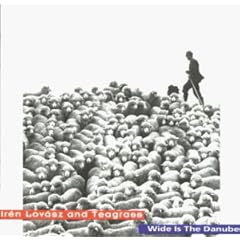
The inspiration for this encounter between Hungary's Iren Lovasz and the folk-jazz-bluegrass band Teagrass came from Michal Shapiro, a New York-based music producer and journalist. As usual, Shapiro was right. There could be no better companions for a musical exploration of the various ethnic enclaves and nationalities living along the Danube River. Balkan, Gypsy, and Jewish tunes turn up, flanked by several songs of specifically Moravian or Hungarian origin. The acoustic nstrumentals are creative, tight, and clean. Teagrass employ a hurdy-gurdy, viola da gamba, fiddle, clarinets and saxophones, plus flutes and bass, but the mandolinist makes the strongest impression. The group has an eclectic quirkiness that is refined but not inhibited by Lovasz's erudition and cultural integrity, and the ensemble provides an ideal setting for her flawless singing.
01.Nem egyszer
02.Vüstyi, vüstyi
03.Kdyby mne tak bylo
04.Verjen meg az Isten
05.S örözgeti vala
06.Üstyen, Üstyen
07.Szól a kakas már
08.Piros pántlikámat
09.Kedz sa mily
10.Márton Szép Ilona
11.Hegyen, földön
12.Byla cesta
13.Széles az a Duna
Link

The ensemble was formed by three young sax-players in 1992, all born and, by and large, still living in the Southern and South-Eastern end of the Great Hungarian Plains. In fact they derive their name from the region of their birth. ("Dél-alföldi" means "of the Southern Plains"). Their common ground is not just a matter of geography, although geography matters too because the corner of Hungary they come from practically borders on the Balkans and that is also something that you can hear in their music. The present personnel crystallized in 1997. Their repertoire includes folk arrangements, traditional pieces, and jazzy, almost danceable compositions with their roots in the rhythmic world of Hungarian and Eastern European folk music and jazz. Their musical choices are illustrated by their instruments too: the bag pipe, the hit gardon (a percussion instrument resembling the shape of a cello), traditional recorders, and the "körtemuzsika" (a special Hungarian flute) are in their arsenal just as well as a unique vocal effect called tuva singing. In the singular compositional concepts of the three saxophonists just as in the free parts one can point out highly individual ideas. However, the influence of Mihály Dresch’s and György Szabados’ music on their approach is undeniable.
01. Sirató
02. Fekete Kata
03. Matropolis Shaman
04. Új Tánc
05. Verbunk És Rilladri
06. Fecske (Mesteremnek)
07. Esthajnal (Csiribiri Emlékére)
08. Cool
Ágoston, Béla voice/saxophone/clarinet/saxophone - tenor/saxophone - alto
Benkő, Róbert double bass
Burány, Béla Pöcök saxophone
Geröly, Tamás drums
Szokolay, Dongó Balázs saxophone/recorder/clarinet
Link

While listening to this recording it is hard to believe that it was recorded over 20 years as it is still as fresh and clear as anything today!
Innovative and as fresh today as it was then, few others have come near the progressive arrangements of Vízöntő. Never losing sight of their Balkan folk roots this album stands the test of time.
01. Szeretem a szépeket / I love beauties
02. Nád Jancsi / Jancsi of the reeds
03. Kontyoló / Bun song
04. Kiszáradt a tóból / This lake's dried up
05. Tavaszi szél / Spring breeze
06. Botoló / Stick song
07. Katonakísérö / Soldier's burden
08. Sír az út elöttem / This road cries in front of me
09. Amerikás dal / America song
Károly Cserepes: keyboards, recorder, gardon, voice, percussion
János Hasur: violin, viola, Jew's harp, voice
Mihály Huszár: double bass, voice
Ferenc Kiss: koboz, violin, tambura, kaval, cow-horn
with
Kálmán Balogh: cimbalom
link

Perhaps the greatest musical surprises of recent years have been those musical experiments which approach the most beautiful songs of the treasure of Hungarian folk music in an unexpected way, that is, not with the accompaniments of authentic folk music, but rather within quite different musical environment. As a result, many musical phenomena have been accepted which might earlier have seemed inconceivable. Now we know that folk songs can be accompanied just as wonderfully by a stylishly composed jazz arrangement, in a similar way to world music, which gains inspiration from the instrumental traditions of other peoples and places emphasis on their spiritual affinity. The album ‘From Mouth to Mouth’ is sure to attract attention both in Hungary and further afield and bring yet more success to all those involved in the project.
01. Somogyindia
02. Sem eső / No Rain Falls
03. Tűzugrás / Fire Jumping
04. Elmegyek / I'm Leaving
05. Jólesik / It Feels Good
06. Apókáé / For Grandpa
07. Anyókáé / For Grandma
08. Lidlidli
09. Édes kicsi galambom / Sweetest Little Dove Of Mine
10. Gyújtottam gyertyát / I lit A Candle
11. Betlehem / Betlehem
12. Paradicsom / Paradise
Ágnes Herczku, Ági Szalóki, Szilvia Bognár - voice
Gábor Juhász - guitar
Nikola Parov - kaval, nickelharpa, low whistle, whistle, gadulka, gayda, bouzouki
László Mester - violin, viola, hit cello
Zoltán Kovács - double bass
András Dés - percussion
Link

The outstanding Hungarian representative of jazz/world fusion music has this time mainly taken inspiration from the treasure of Hungarian music. Barabás Tamás's and Égerházi Attila's compositions were inspired by the paintings of the recently departed painter, Égerházi Imre. The Alföld, Hortobágy, the Transylvanian scenery and the other motives of Égerházi Imre has won a music interpretation. In a new step, among the writers we can find the names of the pianist, Kovács Zoltán along with the violin and trumpet player, Kovács Ferenc. Sipos András, one of the founders of the band, brings new colourful sounds on his percussions. Banai Szilárd, the young, talented jazz drum player fits more and more maturely to the face of Djabe. Kovács Zoltán, once again, proves his exceptional music knowledge, this time on an acoustic piano instead of on synthesizers. And in the case of Kovács Ferenc his violin skills shine on this record. His characteristic,Hungarian, "Rustic Baroque" play vitally determines the style of the CD. He is great on the trumpet, too, as Archie Sheep claims: "... he plays the trumpet like Miles Davis, while he is one of the best violin player of the World." Besides the excellent bass guitar playing of Barabás Tamás we must praise his writing, arranger and sound engineering works as well. Égerházi Attila assembled the vision in a genuine manner together with Barabás. His compositions and guitar playing has been fundamental again in the case of this 2003 Djabe production.
01. Táncolnak a kazlak (Sheafs are Dancing)
02. Tájak (Scenes)
A. Lengyelország felett (Above Poland)
B. Alkony a tengerparton (Sunset at the Seaside)
03. Hajdúböszörményi utcarész (Street Scene of Hajdúböszörmény)
04. Ház a dombtetõn (The House on the Hill)
05. Téli hortobágy (Hortobágy at Winter)
06. Hóviharban (In the Snowstorm)
07. Fátyol mögött (Behind th Veil)
08. Beszélgetõk (Talkers)
09. Szemrehányás (Reproach)
10. Thiérachei emlék (Reflections of Thiérache)
11. Gyimesi hegyek (The Mountains of Gyimes)
12. Repülés (Flying)
13. Jégvilág (Iceworld)
14. Virágcsendélet (Flowers Stillness)
Musicians:
Barabás Tamás – bass, synth program, percussion
Égerházi Attila - guitar
Kovács Ferenc - violin, trumpet, flugelhorn
Kovács Zoltán – piano, keyboards
Sipos András - percussion
Banai Szilárd – drums
Steve Hackett - guitar
Ben Castle - soprano saxophone
Szalai Péter - tabla
Herczeg Judit - vocal
Link

Chalga is a worldmusic and folk-jazz crossover band from Hungary, mixing the members’ hungarian and archaic csángó musical heritage with strong influences of balkanic (bulgarian, macedonian), middle-eastern (turkish, arabic, laz) music and with a touch of jazz. This is a modern, urban folk music using solely acoustic instruments, genuine musical material and fresh ideas.
Ágnes Tiszavári - lead vocals
Móni Horváth - alto & soprano saxophones, flute, vocals
Róbert Kedves - violin, viola
Tamás Zagyva - electric, acoustic and fretless guitars
Attila Boros - electric, acoustic and fretless guitars
Csaba Szegedi - derbouka, bendir
Sándor Bencze - djembe, derbouka, ride
Featuring:
Előd Kostyák - cello
01. Hegyek fölött
02. Sárga hasú kígyó
03. Budapest Taqsim
04. Viharos
05. Fekete szőlő
06. Jana ide
07. Dilmano
08. Altató
09. Gergelyem
10. Lehajlott a kökény ága
11. Bottal verve
12. Tánc
Link

The music on the album is a fusion of Hungarian, Irish and Bulgarian folk, presented with an authenticity and ease that forges the different traditions into a unified work of art. The arrangement makes use of the traditional instruments of the three cultures, surprising the listeners with a multicultural swirl of music. The album shows Parov’s vision clearly: even though nations and cultures are different, the music offers an universal way of expressing human feelings; we share our feelings of love and sadness with each other and a music expressing these feelings is addressed to every one of us. That’s the way Nikola’s music becomes everyone’s music.
01.Ha te tudnád
02.Shto Kaszmete
03.Bánatra
04.Volt nékem szeretőm
05.Édes voltál, kedves voltál
06.Férfiszívről
07.Átkozott gyötrelem
08.Két ragyogó szép szemedért...
09.Se nem eső
10.Tavasz után
11.Ha te tudnád [Remix]
Link

"Szászcsávás is a small village located in the Kis-Küküllő River valley of Transylvania, in Romania. The majority of the village's 900 inhabitants are Hungarians, with 20% Gypsies. This CD presents selections from the traditional repertoire of this village's Gypsy musicians. Szászcsávás holds a unique place in Hungarian music history. Whereas Hungarian folk singing is always in unison, thisis perhaps the only village where polyphonic singing is found.
It is a folklorized form of the polyphonic religious singing style which was introduced by protestant theologians at the end of the eighteenth century, upon returning from university in western Europe. According to the researchers, the Szászcsávás' choral tradition can he traced back to the Basel school, on the basis of the number of parts and elements of composition. An active five part chorus still exists in the village today. Every Hungarian sings; the parts are passed down through the family, from father to son. In addition to performances by the chorus, the people of the village sing in parts during church services, at weddings, at halls and other gatherings. At such celebrations, older popular Hungarian art songs generally dominate, but other popular folksy-songs (known in Hungarian as nota), traditionalfolk songs and the traditional songs which accompany dancing are also sung in parts. Traditionally in Transylvania, the Gypsies - and before WW II also the Jews - played the instrumental music at weddings and other celebrations. For many generations the Gypsy musicians from Szászcsávás have been famous throughout the region. Though they are not members of the choir, they know the songs and the style of singing. The people of Szászcsávás are a more musically demanding audience than the average, who don't tolerate weak musicians. The Gypsies live on a street on the edge of what is by Transylvanian standards a fairly well off village. They make their living by doing seasonal agricultural work and making bricks."
01. Overture" - csárdás 3:11
02. Székely verbunk 2:56
03. Szegényes 1:27
04. Vénes 2:04
05. Sűrű verbunk 2:29
06. Szaggató verbunk 1:22
08. The Szászcsávás Gypsy March 1:52
09. New style csárdás and szökő 7:41
10. Gypsy tunes: lament, table song and jumping dance 5:49
11. Scat csárdás and szökő 1:31
12. Csárdás and szökő to live dancing 4:47
13. Mahala 3:11
14. New style Hungarian songs: lament, csárdás and szökő 9:2
15. Gypsy csárdás and szökő to live dancing 5:14
16. "Rákóczi March" 1:44
17. Csárdás and szökő in the Hungarian "Paprikash" restaurant in Chicago
Jámbor István 'Dumnezu' (1951) - first fiddle, voice
Mezei Ferenc 'Csángáló' (1951) - kontra, primkontra, dance
Csányi Mátyás 'Mutis' (1953) - bass, dance
Mezei Levente 'Leves' (1969) - fiddle, dance
Csányi Sándor 'Cilika' (1959) - fiddle
Jámbor Ferenc 'Tocsila' (1970) - kontra, dance, fiddle
Recorded live in Chicago USA on June 12th 1998
Link

"This album begins with a prayer at dawn, and ends with a lullaby. Between these two blessed moments, different currents meet, though they sing of the same: of desire, of the deep and secret energy of life, which spark love, faith, and sound, and call the listener to play and to feel. I speak of the language of traditional music, cultivated by millions of souls, but which still resounds with a new, personal voice. 0The Hungarian folk songs : my roots, joy and sorrow in my own language. The gypsy songs : freedom, humor, with a bitter taste, rhythm and expressivity. The Psyché poems are in a playful form, but speak of the joys and conflicts of a passionate half-gypsy woman. I have great appreciation for the power and beauty of Bulgarian music. I offer three interpretations here, the results of work with very different musicians. The Persian song , like a precious box: it takes time to enjoy each sound. My musical sensibilities resonate with this enormous tradition, which is at once near and far.
I sing, fly from branch to branch, seek and find. I hope you enjoy the journey."
Palya Bea - ének
Szokolay Dongó Balázs - furulya, szaxofon, duda, doromb
Dés András - ütősök, kanna
Geröly Tamás - ütősök
Arco'lor trio:
Monori András - gadulka
Kerek István - hegedű
Farkas Zoltán - cselló
Kárpátia zenekar:
Bolya Mátyás - koboz
Eredics Dávid - klarinét
Buzás Attila - tambura, nagybőgő
Jakabffy Balázs - drum
01. Hajnal / In the Morn (Hungarian)
02. Úton / On the Road (Bulgarian)
03. Szelence / The Precious Box (Persian)
04. Pey-Dabadi (Hungarian Gypsy)
05. Rikoltok / Sparrow's Song (Hungarian)
06. Ágról-ágra / From Branch to Branch (Hungarian)
07. Hegyezd füled / Listen, Friend (Hungarian)
08. Tánc / Dance (Romanian)
09. Ne csicseréssz / Dont's Whistle (Hungarian)
10. Devla / Gypsy God (Transylvanian Gypsy)
11. Doromb-boy (Hungarian Gypsy)
12. Patak Parttyán (Hungarian)
13. Szózat Katitzához a férfiak ügyeiben (Hungarian)
14. Sáros-Pataki polgár leány (Hungarian)
15. Lüktetés / Heartbeats (Bulgarian)
16. Ketten a hegyen / Echo on the Mountain (Bulgarian)
17. Altató / Lullaby (Hungarian and Melanesian)
Link
pass: bluesmen-worldmusic.blogspot.com

This recording presents a great variety of musical genres: from authentic folk music, to traditional blues and alternative rock arrangements; from Romanian dance music to the Hungarian poem “I’m roaming about” by the poet Attila József. These days it is more and more difficult to give people a musical experience, which inspires respect and admiration for the beauty and sincerity of Hungarian folk music. We trust, however, that when someone listens to this recording, even if folk music is not part of their everyday life, they will have a musical experience that will make them listen to this kind of music with pleasure.
01. Lekaszálták már a rétet / The Flowery Field Has Been Scythed
02. Méhkeréki romános dudán / Romanian Bagpipe Music From Méhkerék
03. Catalina, Catalina / Catalina, Catalina
04. Eleki román táncmuzsika / Romanian Dance Music From Elek
05. Pálpaliné balladája / Pálpaliné’s Ballad
06. Ugyanazokat / The Same Ones
07. Dal teázáshoz / Song For Tea Time
08. De szeretnék / How I’d Love To
09. Báli muzsika / Dance House Music From Vajdaszentivány
10. Senki nem ért semmit / Nobody Understands Anything
11. Az édesen játszó prímás / The Sweetly Playing Fiddler
12. Bolyongok / I’m Roaming About
József Bartók – double bass
János Csík – fiddle, voice
Zsolt Barcza Jr. – accordion, cimbalom
Tamás Kunos – four- and three-stringed viola, drum
Marianna Majorosi – voice
Attila Szabó – fiddle, guitar, voice
Balázs Szokolai “Dongó” – saxophone, Mongolian-type singing, bagpipe, flute
Guests:
Zoltán Bobár – accordion
Márta Horváth – voice
András Lovasi – voice
Áron Őze – poetry recital
Link
pass: bluesmen-worldmusic.blogspot.com
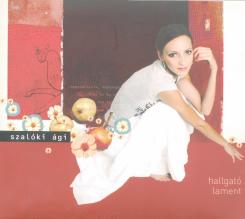
On the 21st January 2006 'Hallgato, Lament' won the 'Best Jazz Album Of The Year' award from the Golden Fonogram – Hungarian Music Awards.
A mellow jazz sound from traditional folk songs.
Agi Szaloki has one of the most distinctive and beautiful voices to emerge from Hungary in recent times.
This album is of folk songs originating from Hungarian culture in Moldva and Gyimes arranged by jazz and classical musicians who have close ties to Hungarian traditional music. Their goal was to play these songs in their own way not tradition preserving and not following fashion. They feel their music is ‘a round world that has soul, beat, and captivates the audience with its pure clearness’.
From record label:
"Ági Szalóki’s jazz line-up was formed for the recording of her second solo album ‘Lament’ in the spring of 2005, when she invited young jazz musicians to provide the accompaniment to some of her favourite folk songs. A particular harmony was rapidly established during the recording sessions and the result is an elegiac album on which the folk melodies are enriched with the subtle and colourful tint of jazz. Ági’s beautiful voice and sensitive singing is perfectly complemented by the inventive instrumental playing and characteristic improvisations of the musicians, and whenever the band perform live, either in clubs or on festival stages, they always create an intimate atmosphere and elicit an emotional response from the audience.
The versatile young vocalist has already been discovered by many fellow artists. Her jazz credentials are well demonstrated by her work with world famous pianist Béla Szakcsi Lakatos in his Hungarian Gypsy Show, first performed in May 2005, and her contribution to the Balázs Elemér Group’s 2005 release ‘Hungarian Folksongs’. On the other hand she has received world-wide exposure through her long association with Ökrös Ensemble performing Hungarian traditional music, and her performances with world music band Besh o droM. Other highlights of her career thus far include singing on Makám’s ‘Anzix’ album and her performances with Nikola Parov. Her invitation as vocalist to the February 2006 performance of “Stars, stars…” at the Palace of Arts, Budapest – a gala celebration of the life of Bartók featuring traditional, jazz and classical music stars – is an indication of her growing stature within Hungarian music.
Ági’s debut CD ‘Winter-Summer Orache’ was released in 2004, primarily for the ears of children. On her latest album ‘Lament’ Ági reaches out to a more mature audience – two Sándor Kányádi poems set to traditional melodies and a Gypsy tune join folk songs from Transylvania, Gyimes and Moldavia, some of the most interesting and valuable repositories of ancient Hungarian culture. These are age-old tales of love and loss, joy and sorrow, happiness and grief, prime examples of the oral tradition that have been passed down from generation to generation. The arrangements, however, are modern collaborations between Ági and the classically trained jazz musicians accompanying her – they are all open to contemporary influences and are not afraid to take chances. In their new environment these lyrics are revitalized, imbued with relevance for a world wide audience in the 21st century. The musicians play these songs in their own way, experimenting freely, and Ági sings from the heart, beautifully as always, with great dignity and sensitivity.
This ‘folk-jazz’ may be regarded as crossover, a fresh breeze blown by innovative young musicians, but it retains a simplicity and purity, the heartfelt purity of the Hungarian soul."
"Szalóki Ági is one of the most excellent talents of the younger generation of singers. She has really become ripe for an album where she can demonstrate her versatile personality to her audience. Not only is her voice beautiful but her style of performance is totally sovereign. Her scale ranges from intimacy to soul-fracturing passion. Besides, I don’t know any other singer on the Hungarian musical scene who sings both folk songs and improvised contemporary music with such familiarity.
It can be seen already from the list of the featured artists that the content of the CD is not an every-day delicacy for the fans of either jazz, folk or world music. Gábor Juhász, Dávid Lamm, József Balázs and the others are all the best of the young jazz generation, who prepared with great effort to create this harmony and sound. Something has been born that has never been before. And this is the result of a bright conceptual collaboration. I highly recommend this record and with love, because it really deserves it."
01. Napszállatja, napnyugta - Sunset Of Rust, It Is Dusk
02. Te merel e luma
03. Elrepült a vándormadár - The Nigrant Bird Has Flown Away
04. Mi lennék? - What Would I Be?
05. Kit a bánat elért... - Whoever’s Touched By Grief...
06. Végigmentem, végigmentem... - I made My Way, I Made My Way
07. Kinek van, kinek nincs... - Some Have None
08. Diófának három ága... - Three Branches On The Walnut Tree
09. Kövecses út szélén... - Beside The Stony Road
10. Magyarózdi toronyalja - The Magyarózd Tower I See
11. Napszállatja, napnyugta - Sunset Of Rust, It Is dusk
Link

"The music is in their blood! As in many parts of the world Roma musicians are peerless in musical entertainment in Hungary as well. The cornerstones of the music of Kálmán Balogh and his fellow performers in the Gipsy Cimbalom Band are their distinguished instrumental knowledge and virtuosity inherited through famous musical dynasties on one hand, together with their familiarity with different musical genres and styles.
Kálmán Balogh has been honing his undoubted musical skills for twenty years or so now, playing with the best of Hungary's folk musicians with excursions into classical, jazz and rock, both at home and abroad. The Gipsy Cimbalom band provides him with the opportunity to fulfill a more personal musical vision and although his dazzling mallet work is a highlight of their performance, the band do much more than provide a foundation for the cimbalom - they are all dynamic and versatile musicians with equally eclectic musical taste and it's hard to know from which direction the next thrilling contribution will come. In this band Kálmán and his fellow musicians present the instrumental music performed by Gypsies in the Carpathian Basin and the Balkans - Hungarian, Rumanian, Bulgarian and Macedonian..."
01. Hora jazz
02. Aven shavale... (Gyertek fiúk / Let's Go Boys...)
03. Bolgáros
04. Ederlezi
05. Mahala
06. Moldáviai cimbalmos
07. Romnya lel muro shavo... (Megházasodik a fiam... / My Son's Getting Married...)
08. Erev shel shoshanin... (Rózsák estéje... / Night Of The Roses)
9. Zavaros a Nyárád... / The Nyárád Is Troubled...
10. Saxy hora & sirba
11. Cimbalom improvizáció
Kálmán Balogh – cimbalom (1-11)
Ferenc Kovács – violin, trumpet (1), (2-7, 9-10)
Péter Bede – tenor sax (1-10)
Frankie Látó – violin (1-5, 7-10)
Mihály György – guitar (1-10)
Csaba Novák – double bass (1-10)
Featuring:
Ági Szalóki – voice (7)
Flóra Polnauer – voice (8)
Kinga Krámli – voice (9)
Gusztáv Balogh – voice, oral bass (2, 4, 7)
Gábor Pusztai – percussion (1-5, 7-10)
Link
